
City: Teslić, Northern Bosnia and Herzegovina, Republika Srpska
Population: 38,536
Altitude: 205m
© Municipality of Teslić
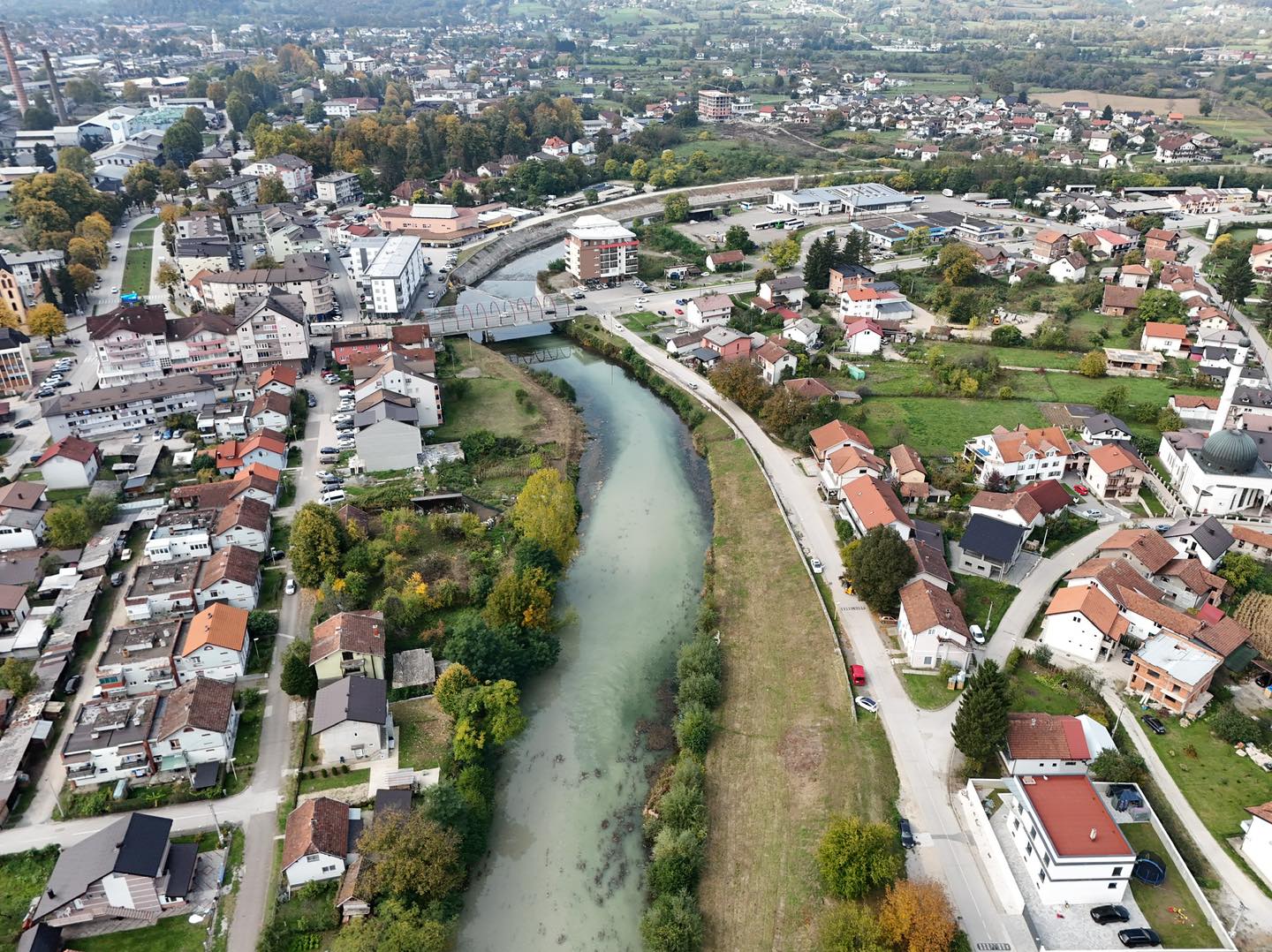
Located in the northern part of central Bosnia and Herzegovina, within the entity of Republika Srpska, Teslić covers an area of 846 km², making it one of the largest municipalities in the country by territory. Combining urban and extensive rural areas, the municipality experiences a moderate continental climate, with cold winters and warm summers, which influences both agricultural activities and the management of water resources.
Water supply challenges in the City of Teslić
Organised drinking water supply in Teslić dates back to 1968, when the first water treatment facility (filter station) was put into operation. The main primary pipeline has a total length of 153 km. Today, the public water system supplies around 23 500 residents through a network that serves both urban neighbourhoods and surrounding rural areas.
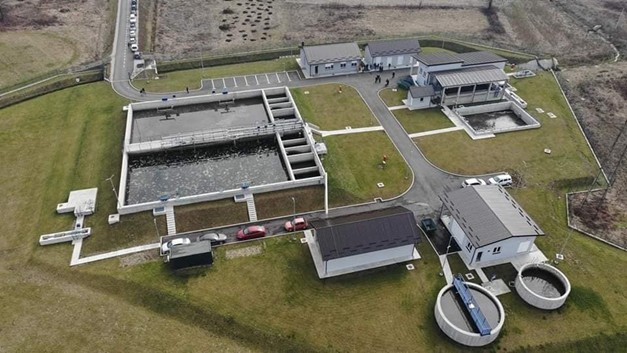
Water production is based on the abstraction of surface water from the Velika Usora River. The raw water is treated and disinfected at the local water treatment plant. After treatment, water is distributed to consumers through a network of primary and secondary pipelines.
Despite this long-standing infrastructure, significant challenges remain, particularly in rural parts of the municipality. Teslić operates 12 village waterworks, supplying more than 10 000 residents. Many of these systems face persistent problems such as water shortages, high water losses and ageing infrastructure. In some cases, lack of monitoring and management also raise concerns regarding water quality and public health.
At the same time, the water supply system requires substantial energy and operational resources due to treatment processes and pumping across different elevation zones, adding further pressure on efficiency and sustainability.
The Teslić water supply system is organised into two elevation zones: the first zone up to 240 metres above sea level and the second zone between 240 and 300 metres above sea level. Water is pumped from the lower to the higher zone using pumps installed in 18 pumping stations. This type of water production and distribution is costly due to the use of treatment chemicals and, in particular, the high electricity consumption required to pump water across different elevation levels.
In parallel with drinking water supply, since 2024, wastewater is collected through primary and main collectors and conveyed to the local wastewater treatment plant, representing an important step towards improving environmental protection and sustainable water management in the municipality.
Teslić as part of the WATERVILL project
As a partner in the WATERVILL project, the City of Teslić focuses on improving the sustainability and efficiency of rural water supply systems, where challenges are most acute. Building on its extensive experience in implementing donor-funded infrastructure projects, the city brings strong technical capacity and practical know-how to the project.
Within WATERVILL, Teslić will select one village where pilot activities will be implemented. The investment will focus on reducing losses and improving monitoring in the pilot area through the reconstruction of pipelines where the highest losses occur, as well as the installation of modern equipment for real-time detection of drinking water losses.
At least 80 digital water meters for households, along with additional meters on the main pipeline, will be installed, enabling remote reading of water flow and consumption. These meters will form a measurement zone that will allow sudden increases in flow and network losses to be detected immediately after they occur. To support this system, digital antenna equipment and data-processing software will be introduced, providing local water system operators with timely data on potential failures and enabling rapid response.
The pilot solution in Teslić will generate valuable experience and data that can be applied to other rural water systems, as well as to the central public water supply system managed by the city’s public utility company, contributing to more reliable, efficient and resilient water management across the municipality.
Beyond infrastructure, Teslić also contributes to the project by working on improved governance and management models for rural water systems, addressing gaps in organisation, oversight and long-term planning.
What the project will bring locally
Through WATERVILL, the City of Teslić will test innovative solutions to improve the efficiency and reliability of rural water supply systems, ensuring safer and more sufficient water for both household use and local agriculture.
WATERVILL solutions in Teslić will reduce dependence on outdated and inefficient networks by introducing smart monitoring and real-time loss detection. The installation of digital water meters, pipeline reconstruction and data-based network control will enable faster responses to failures and ensure that residents have more stable access to quality drinking water within the public water supply framework.
Through WATERVILL, the City of Teslić will test innovative and practical solutions to make rural water supply systems more reliable and resilient to climate-related pressures. By combining targeted infrastructure upgrades with smart monitoring tools, the project will help reduce water losses and improve public service delivery for local communities.
The project also strengthens local capacities and governance, supporting better decision-making, improved water quality control and more sustainable management practices. Lessons learned from the pilot activities will be transferable to other rural water supply systems in the municipality and beyond.
By combining local management experience with smart technologies, Teslić’s participation in WATERVILL contributes to stronger water resilience, improved public service delivery and more sustainable development of rural communities vulnerable to climate change.
PHOTO GALLERY
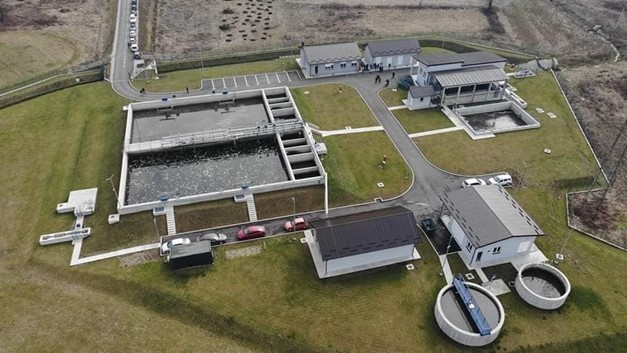
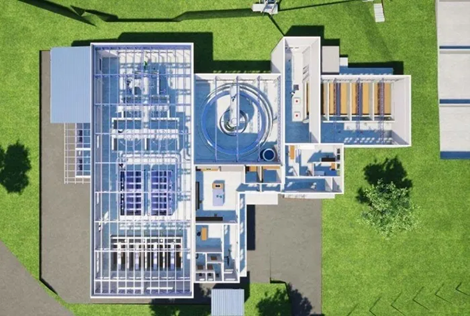
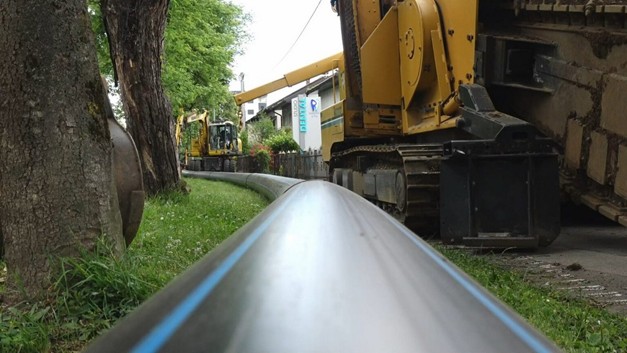
Illustrations of the city’s water treatment plant and water-related investments in the municipality
© City of Teslić