Municipality: Žabljak, Northern Montenegro
Settlements: 28
Population: ~3,000
Altitude: 1,456 m (town of Žabljak)
© Municipality of Zabljak
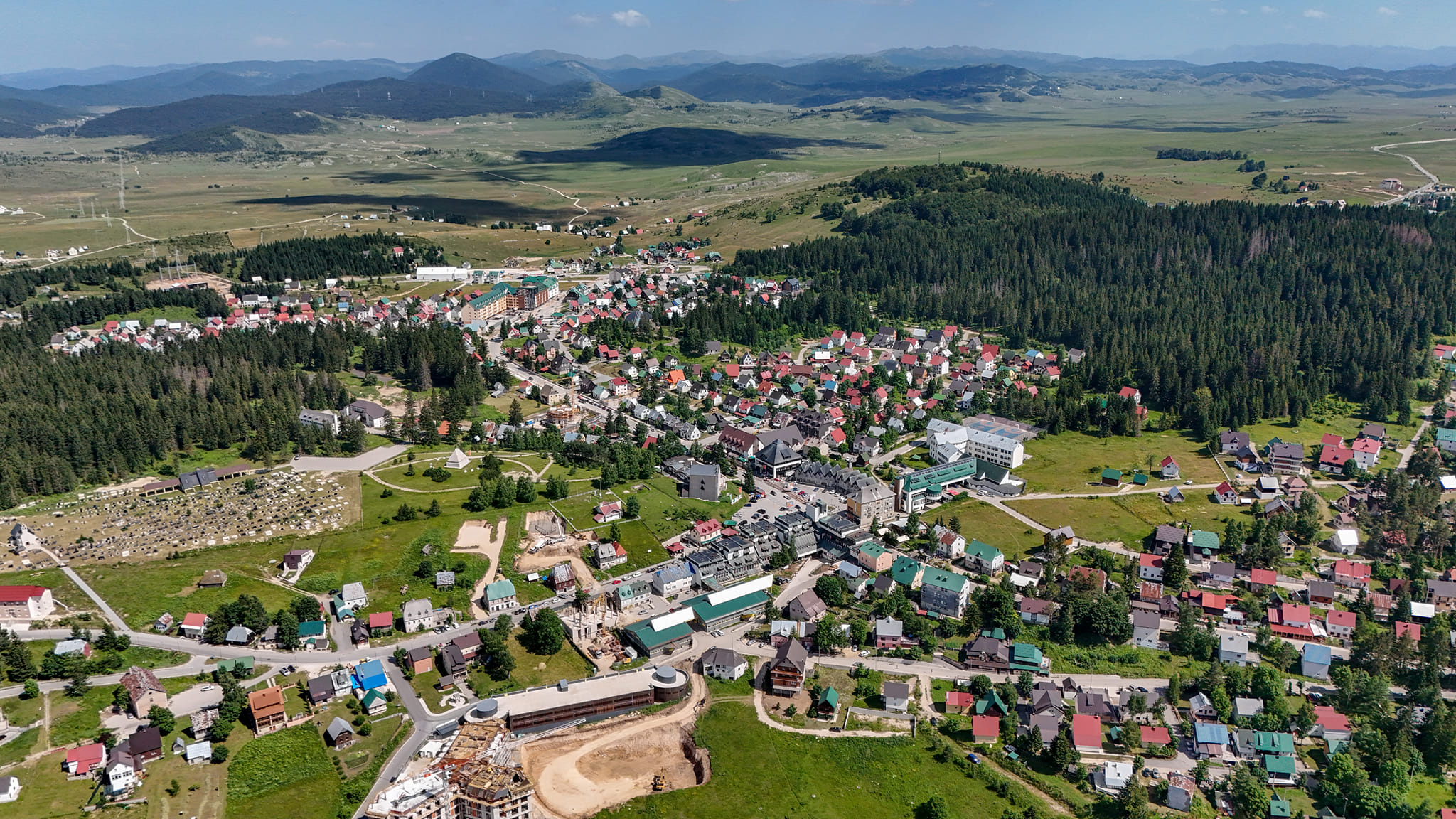
Located in Northern Montenegro, at the heart of Durmitor National Park, the municipality of Žabljak is one of the highest urban settlements in the Balkans. Known for its exceptional natural landscapes and UNESCO-protected status, Žabljak is a well-established destination for mountain tourism, with a population that increases significantly during peak seasons.
While water is a vital resource for residents, local economic activities, and visitors, water losses in the supply network remain a persistent challenge.
Water supply challenges in Žabljak
In this sensitive and mountainous environment, ensuring a reliable and sustainable water supply is increasingly complex. Žabljak faces a combination of pressures on its water supply system. Losses in the water supply network reach up to 75%, meaning that only 25 litres out of every 100 litres taken from the source reach consumers. This is partly due to parts of the existing water infrastructure which are ageing and prone to losses. High leakage rates, limited storage capacity and outdated monitoring systems reduce the efficiency of the network and make it difficult to respond quickly to shortages.
In addition to this, seasonal tourism creates sharp increases in demand, especially during summer and winter peaks, further straining the water system.
Drinking water supply is also a core public service managed by the Municipality of Žabljak, and protecting water sources while ensuring water quality is essential to meeting the needs of both residents and seasonal visitors.
At the same time, the municipality operates within the strict environmental constraints of a national park. The protected status of the area limits the exploration of new water sources and the expansion of infrastructure, requiring careful balancing between water security and environmental conservation.
Climate change further amplifies the challenges Zabljak faces, with more frequent dry periods and increasing uncertainty over water availability, particularly in rural and remote settlements.
On top of that, several rural water supply systems have been developed outside formal public management. This creates difficulties in terms of oversight, maintenance and legal compliance, adding another layer of complexity to water governance at the local level.
Žabljak as part of the WATERVILL project
The WATERVILL project supports climate-resilient water management solutions in rural and mountainous areas of the Mediterranean. Pilot municipalities like Žabljak showcase how local partners are tackling water scarcity and infrastructure challenges. Žabljak represents the reality of many rural and mountainous territories across the Mediterranean, where water scarcity intersects with sensitive ecosystems, tourism pressure and fragmented infrastructure.
As the local authority responsible for establishing, maintaining and expanding water supply systems, the municipality has long-standing experience in addressing these challenges. While several improvements have already been implemented, Žabljak is actively seeking innovative and sustainable solutions.
Its location within a protected natural area makes it an ideal testing ground for approaches that must respect environmental constraints while improving the reliability of water services for local communities.
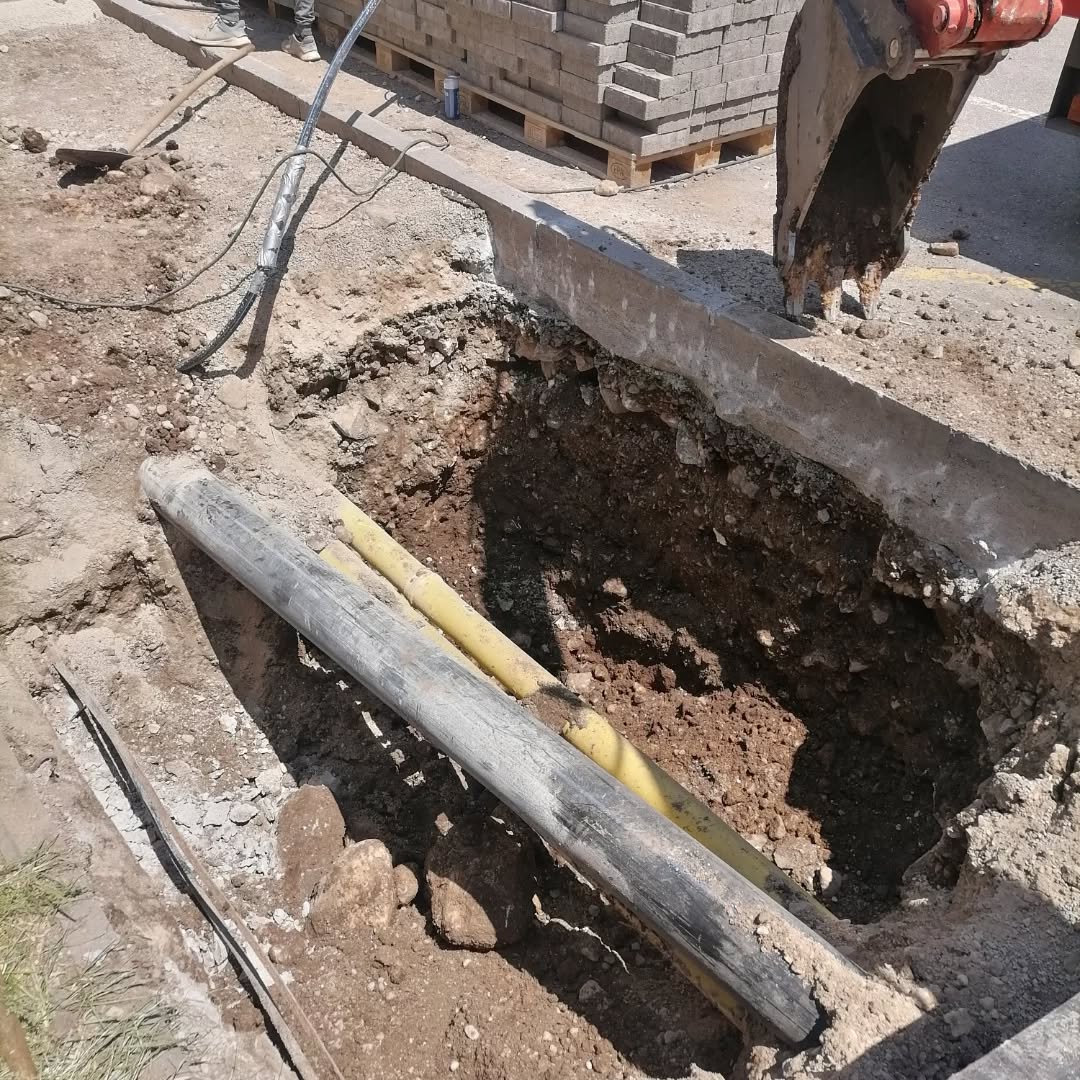
The water supply network includes old asbestos cement pipes, cast iron pipes, and a smaller number of newer PEHD pipes. The asbestos cement pipes are currently being replaced.
What the project will bring locally
Through its participation in the project, Žabljak will test integrated and climate-resilient water management solutions tailored to its specific context. The focus is on improving how water systems are monitored, managed and maintained, with the aim of reducing losses, optimising existing infrastructure, and involving local populations in water management decision-making.
The project will support the development of integrated water management models that bring together technical solutions, management strategies, and nature-based approaches. These models will help the municipality better coordinate independent and rural water supply systems, improve water quality control, and respond more effectively to seasonal demand peaks.
Beyond technical improvements, the project also strengthens local water governance by promoting long-term planning and resilience, ensuring that water supply systems can adapt to climate-related risks while remaining environmentally sustainable.
PHOTO GALLERY
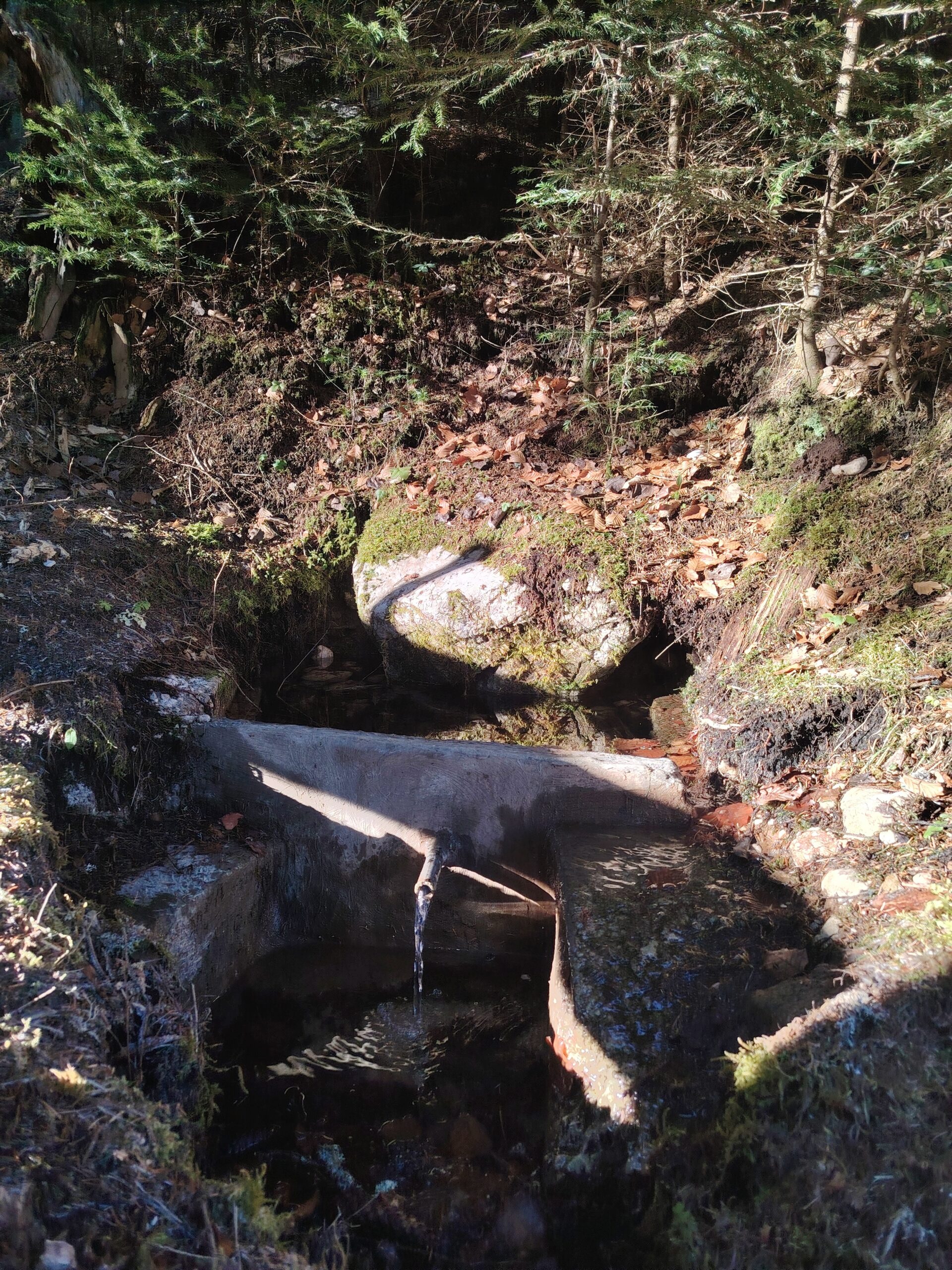
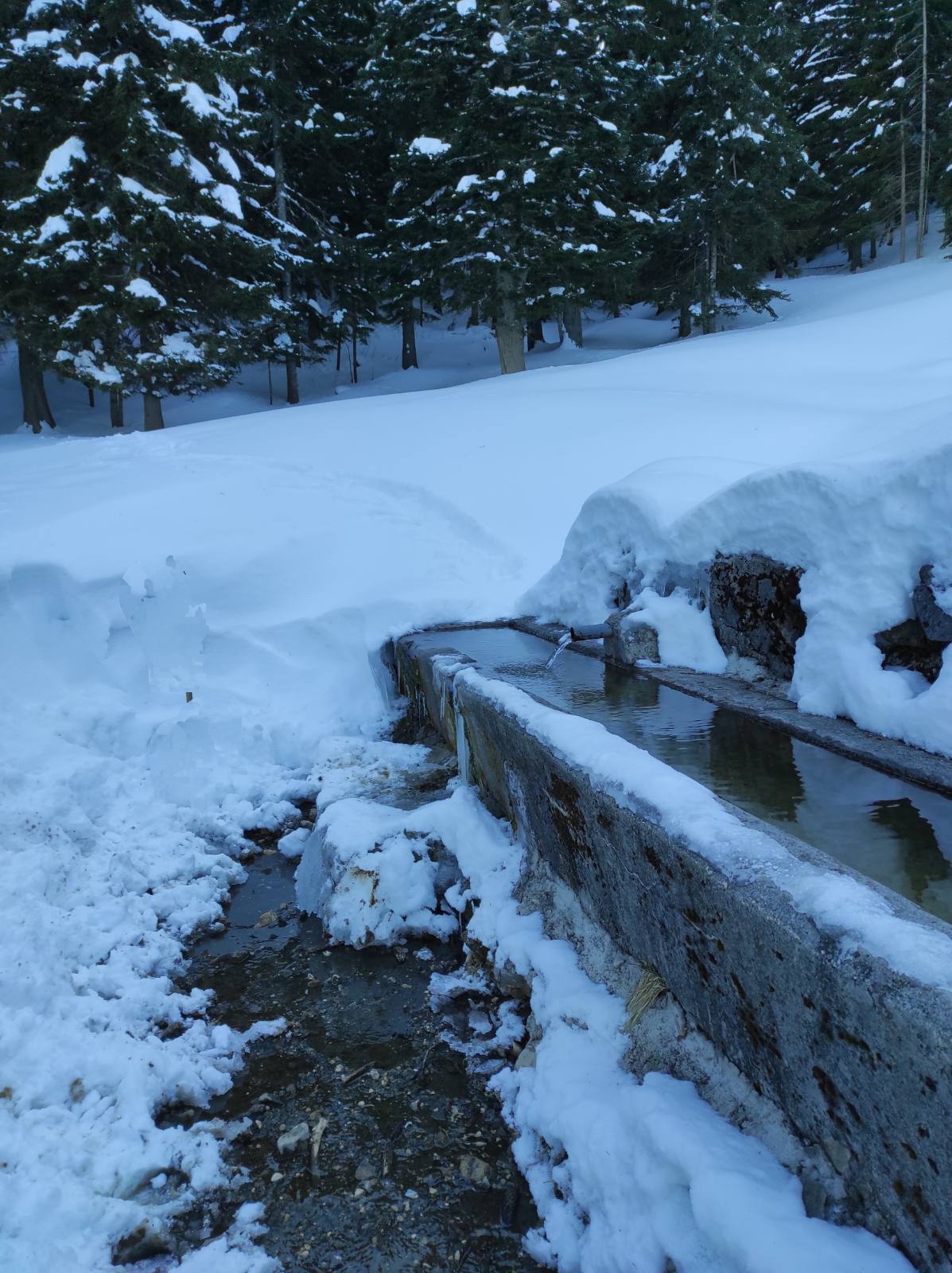
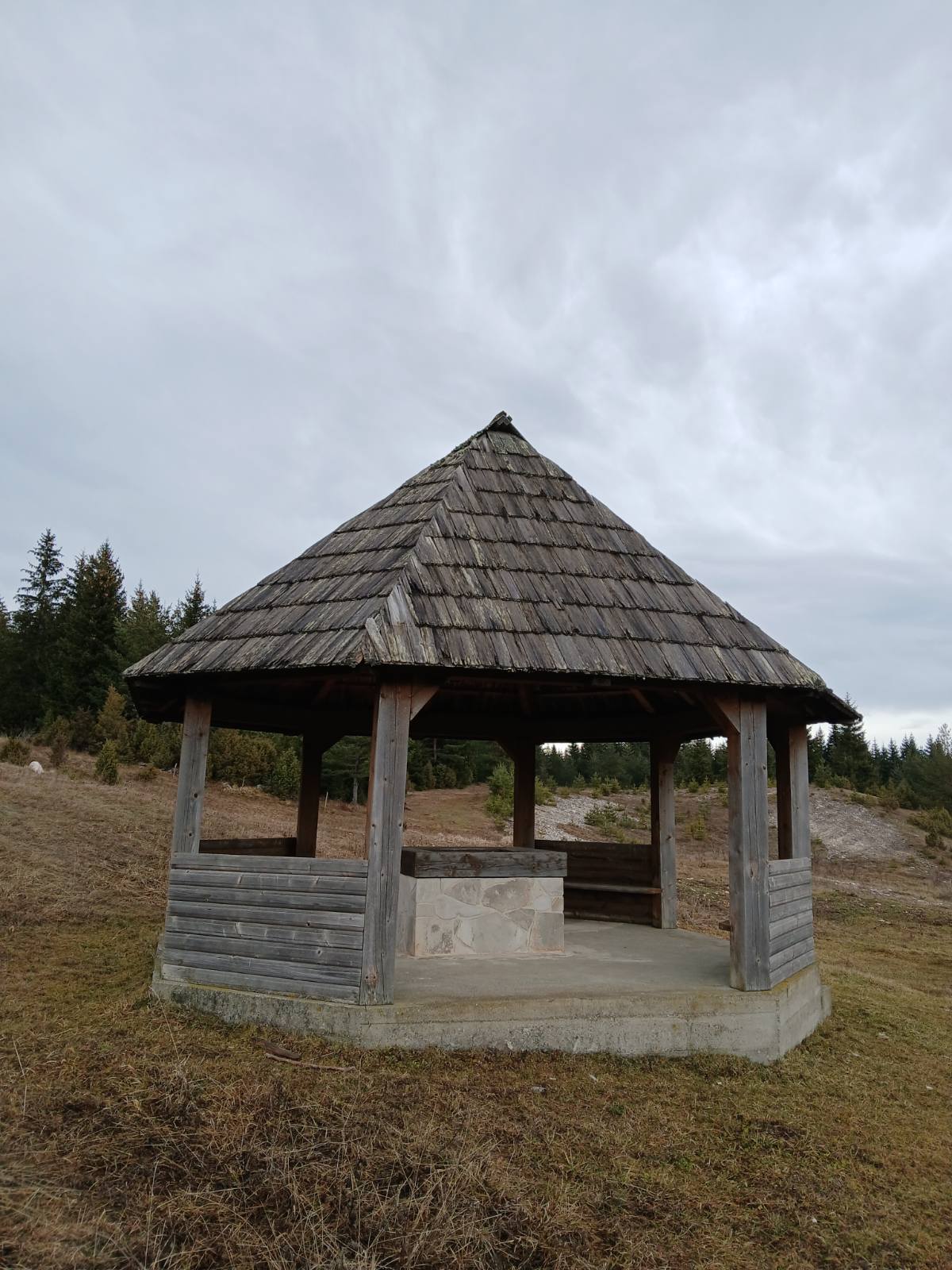
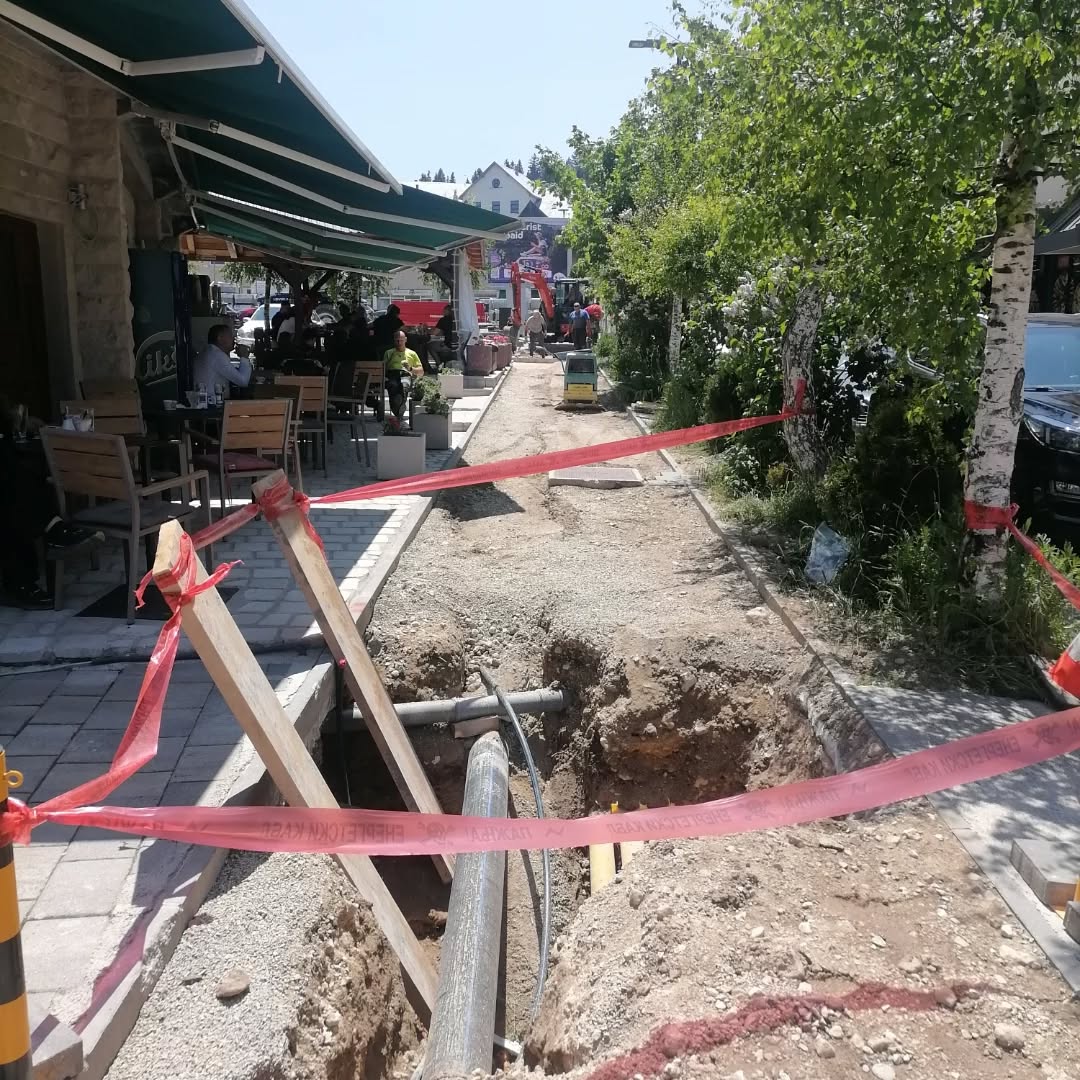
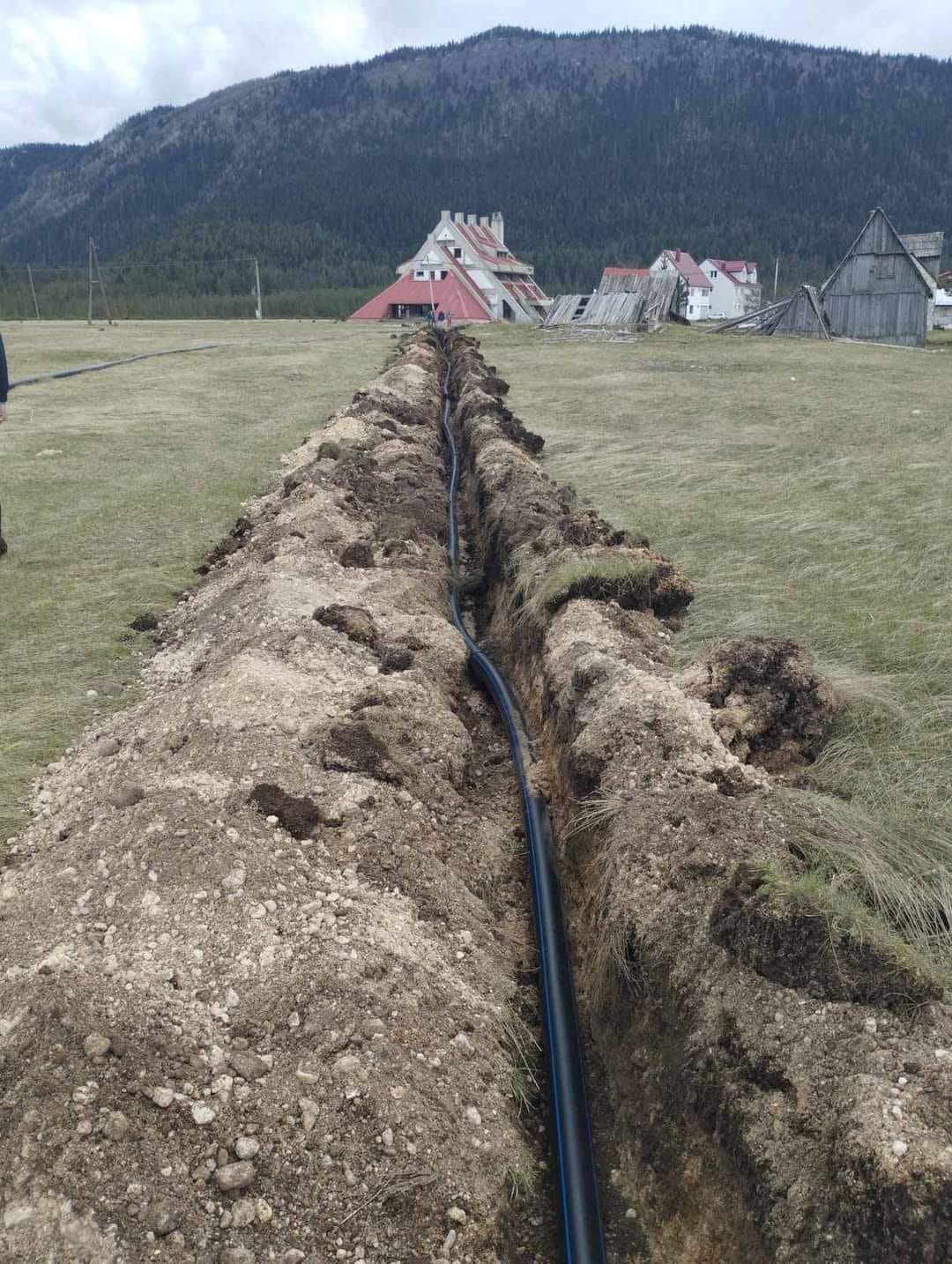
Examples of drinking water sources and pipe replacement works.
© Municipality of Zabljak