

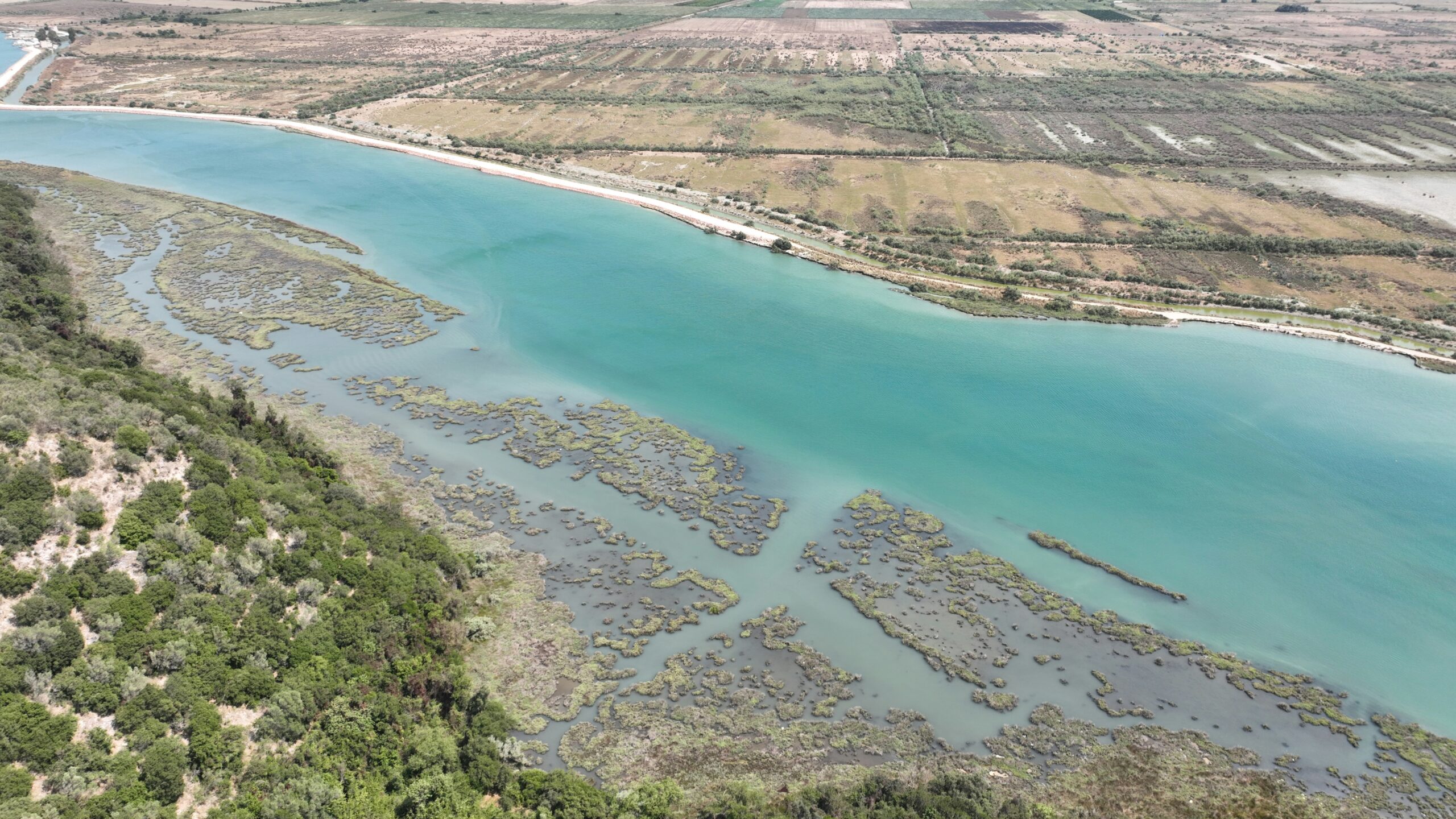
It is expected that water scarcity, already affecting many areas across the Mediterranean, will continue to increase, as temperatures in Europe keep rising.
The concern is no longer limited to the Southern Mediterranean. Countries and regions that had been spared until now are increasingly being impacted by the consequences of climate change. According to the EEA findings in the report Europe’s State of Water 2024, Central and Eastern Europe were already affected by drought during the summer of 2019. In this part of Europe, rural and mountainous regions are increasingly suffering from water scarcity as well.
These challenges are further shaped by local conditions. For instance, in many rural and mountainous areas of the Balkans, local water supply systems cannot keep pace with rising climate pressures and seasonal demand peaks due to ageing and often fragmented infrastructure, resulting in high water losses.
Moreover, these small communities often face limited financial resources and expertise to manage water efficiently and sustainably.
This situation leads to recurring water shortages, deterioration of water supply services, whether for drinking water, agriculture or industry, and makes effcient water management an increasing challenge at the local level.
– How can these challenges be addressed in a context of such limitations?
– What solutions can be implemented to ensure that water supply not only meets overall demand, but also serves all users equally, from individual households to businesses?
– How can we ensure that this supply remains reliable in the years and decades to come?
WATERVILL was developed to help address these challenges. While the project does not aim to solve the issue of water scarcity entirely, its consortium is working on replicable solutions that are developed and tested in real-life contexts to support communities in achieving better water management.
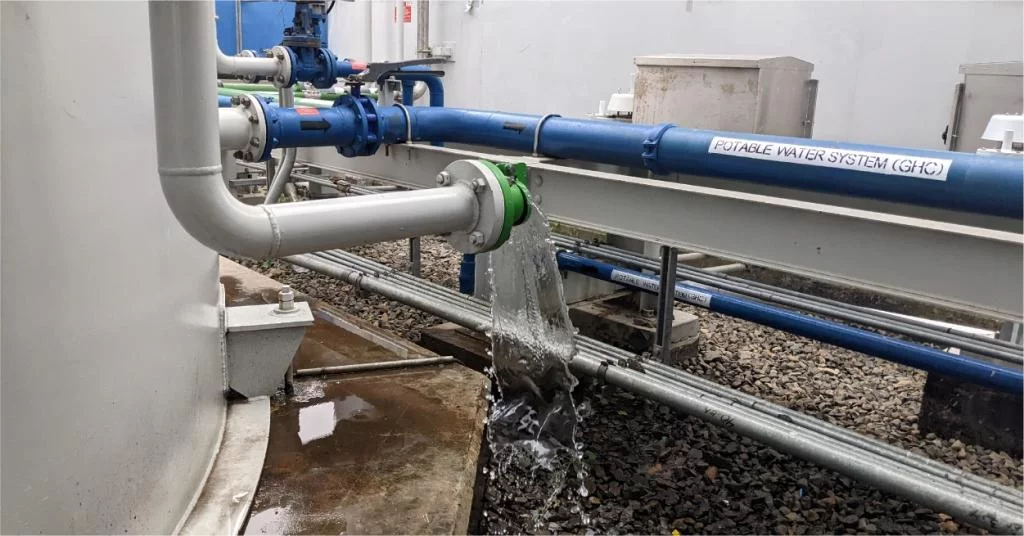
Among these, WATERVILL’s approach focuses on smart and innovative solutions that help understand, monitor and manage water systems more effectively.
From leak detection sensors and smart meters to data analytics and climate-informed planning, these solutions can help municipalities make better decisions and improve water service reliability. At the same time, to be effective, these innovative solutions must respond to the realities and needs of individual territories.
The four WATERVILL pilot municipalities provide valuable insight into the diversity of rural water management contexts across the Mediterranean region.
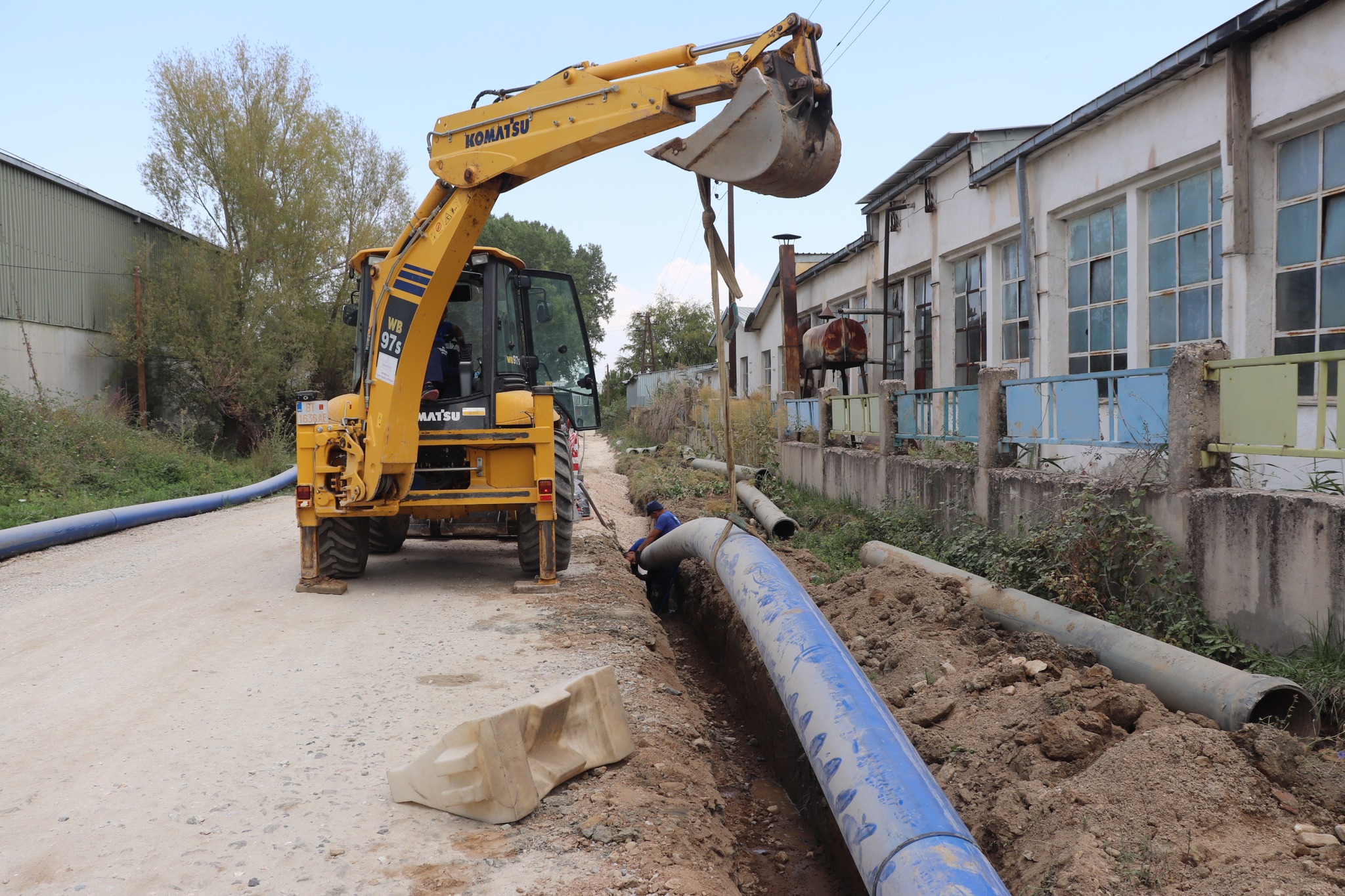
The Municipality of Bitola in North Macedonia, manages water supply services across a large territory that includes both urban and rural settlements. Ensuring reliable access to drinking water while maintaining and upgrading infrastructure requires continuous monitoring and long-term planning.
In Slovenia, the Municipality of Ilirska Bistrica combines extensive natural resources with a dispersed settlement structure. Managing water supply across a geographically diverse territory requires accurate information on infrastructure conditions and system performance.
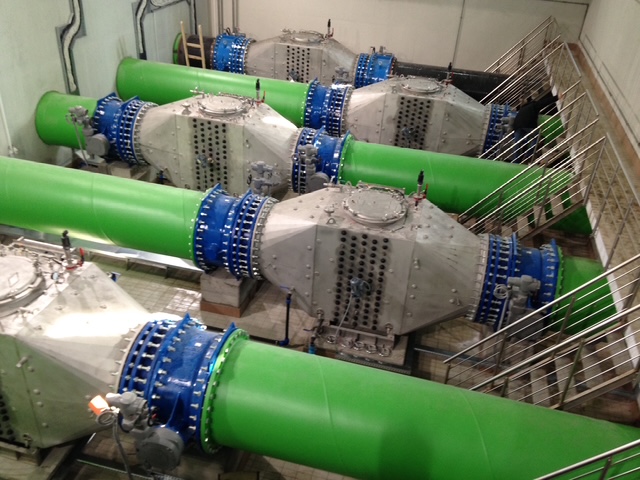
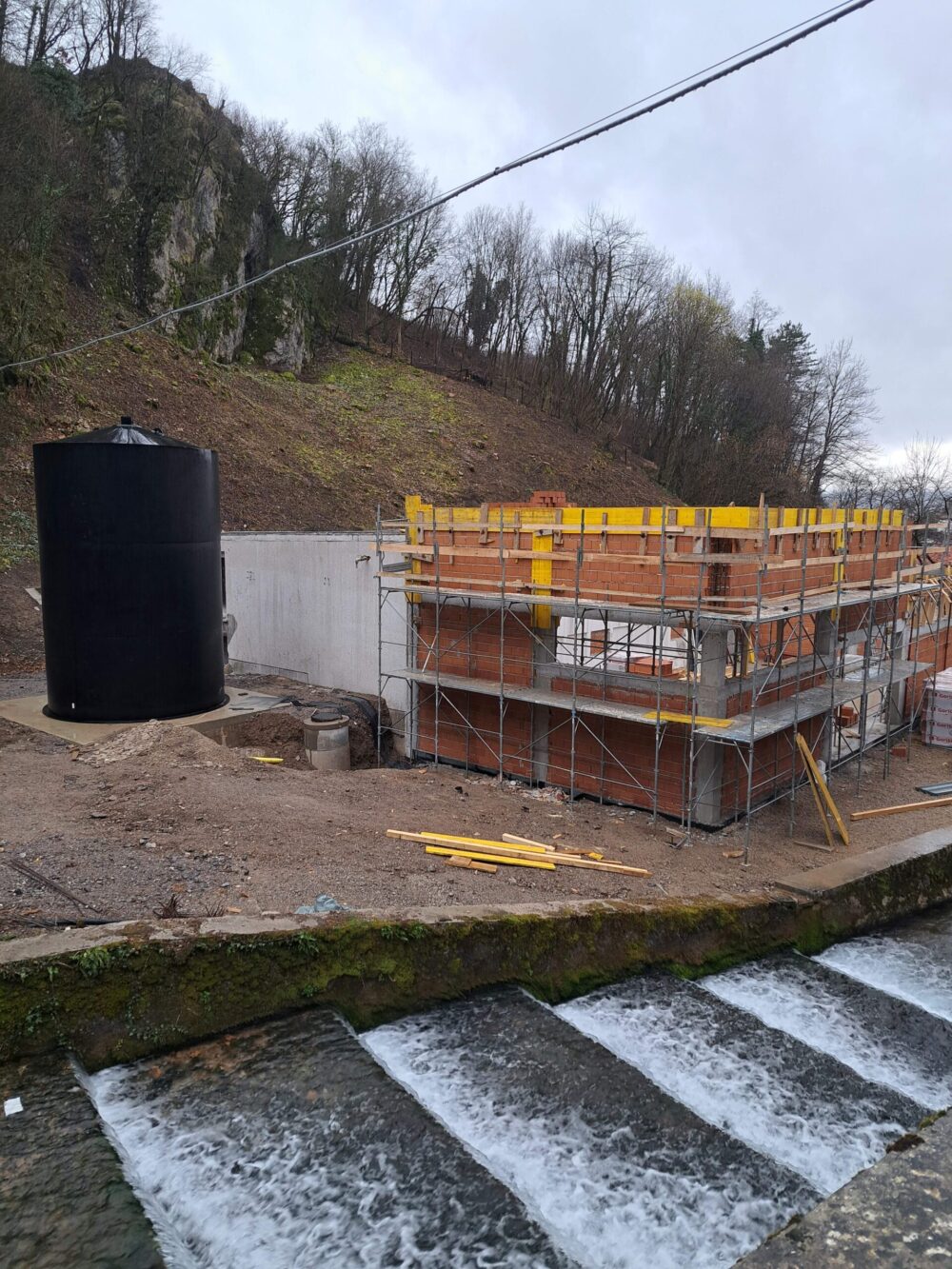
Meanwhile, the City of Teslić in Bosnia and Herzegovina faces the challenge of maintaining water services across a municipality characterised by numerous rural settlements and varying terrain conditions. As in many rural areas, identifying priorities for infrastructure investments is essential to ensure sustainable service provision.
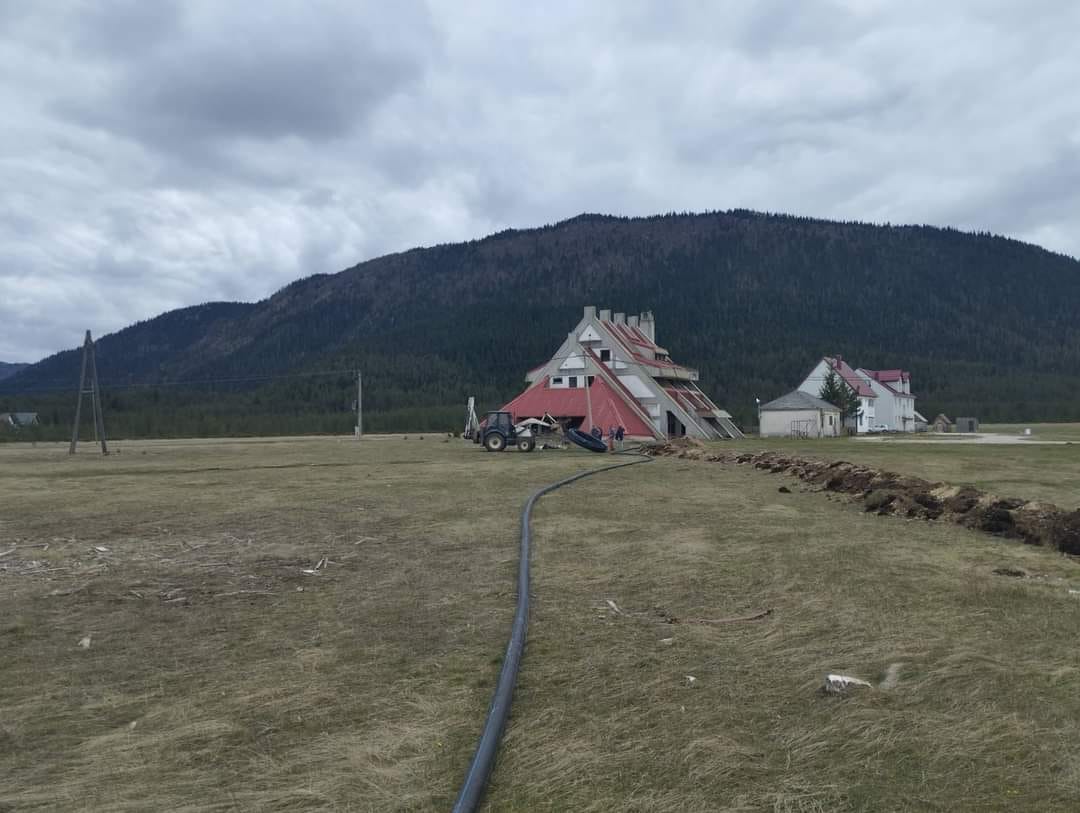
In Montenegro, the Municipality of Zabljak, project lead partner, highlights the specific challenges faced by mountain communities. Located in the touristic Durmitor region, the municipality experiences significant seasonal variations, while its mountainous terrain adds complexity to water supply management.
The importance of data
WATERVILL starts its activities by assessing existing water supply systems in each pilot municipality by accurate data collection. Assessing local conditions through data analysis will help identify solutions that strengthen the reliability and resilience of the systems in the face of future environmental and climate-related pressures.
Collected data include for instance:
• Baseline information on rural and village water supply systems, including technical characteristics, how the systems currently operate, how they are managed and owned, and who they serve
• System data (number of users, network length, supply units)
• Time-based data (water supply flows, demand patterns, water losses)
• Spatial data (network mapping data, locations of infrastructure and users)
For more information on the water systems assessment, consult this news: https://watervill.interreg-euro-med.eu/2026/04/03/how-watervill-analyses-rural-water-systems/
Water networks are often hidden from view. Pipes run underground, leaks can remain undetected for long periods and infrastructure deterioration may only become visible once problems occur.
Digital leak detection systems which are one the solutions developed by the project, will help operators identify abnormal water losses and detect leaks earlier.
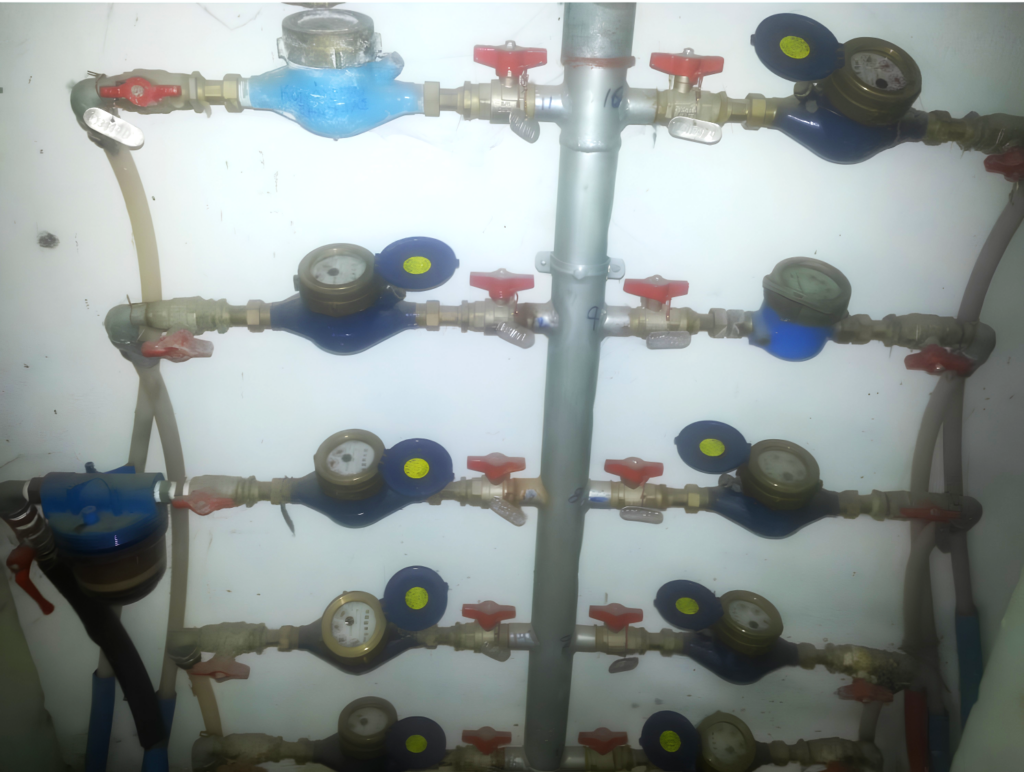
As for smart meters, they can help track local water use, enabling municipalities to implement more preventive and evidence-based water management practices.
Just as importantly, WATERVILL is not only designing digital solutions but also approaches that can help water systems adapt to future climate challenges. This includes identifying weaknesses in water infrastructure and developing adaptation strategies that can help them better cope with climate change.
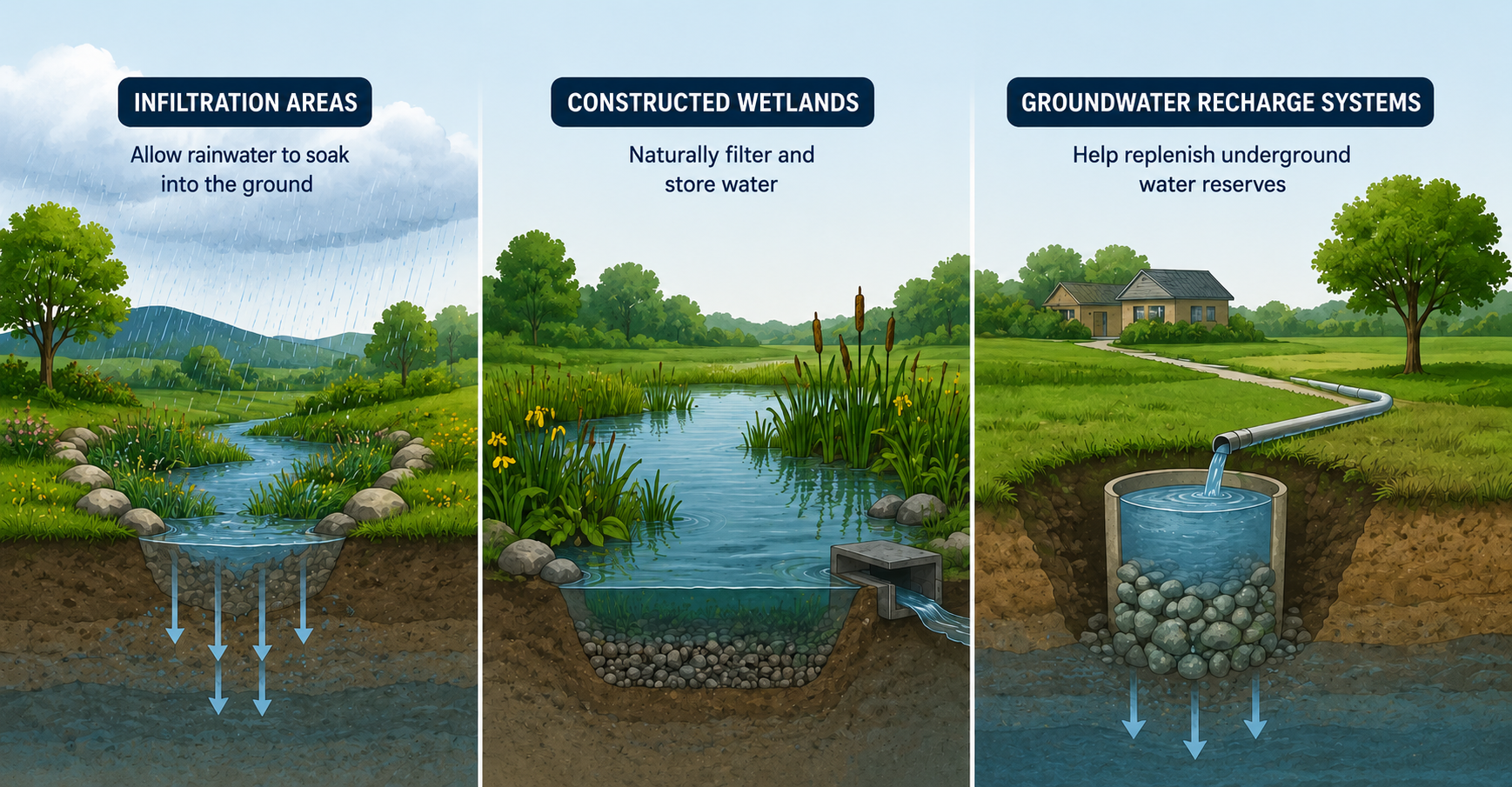
One category of adaptive solutions is nature-based solutions, which work with natural processes to improve water availability.
Examples include infiltration areas that allow rainwater to soak into the ground, constructed wetlands that naturally filter and store water, and groundwater recharge systems that help replenish underground water reserves. This will enhance the resilience of independent water supply systems, contributing to their long-term sustainability and functionality in rural and mountainous areas.
From analysis to action
The next important step in this process will take place during the upcoming field visits to the pilot municipalities.
These visits will complement the desk-based analyses already conducted by the consortium, allowing project partners to validate findings, observe local conditions first-hand and gain a deeper understanding of the specific characteristics of each water supply network. Project partners will visit the pilot territories to assess local water supply systems, gather information directly from the field and better understand the specific characteristics of each water supply network.
The knowledge collected through these assessments will serve as the foundation for the next phases of WATERVILL, helping partners design decision-support system tools and innovative approaches.
Beyond supporting activities in the pilot municipalities, this analysis also aims to place local findings within their national frameworks, identify common conditions across countries and facilitate the future transfer of project results.