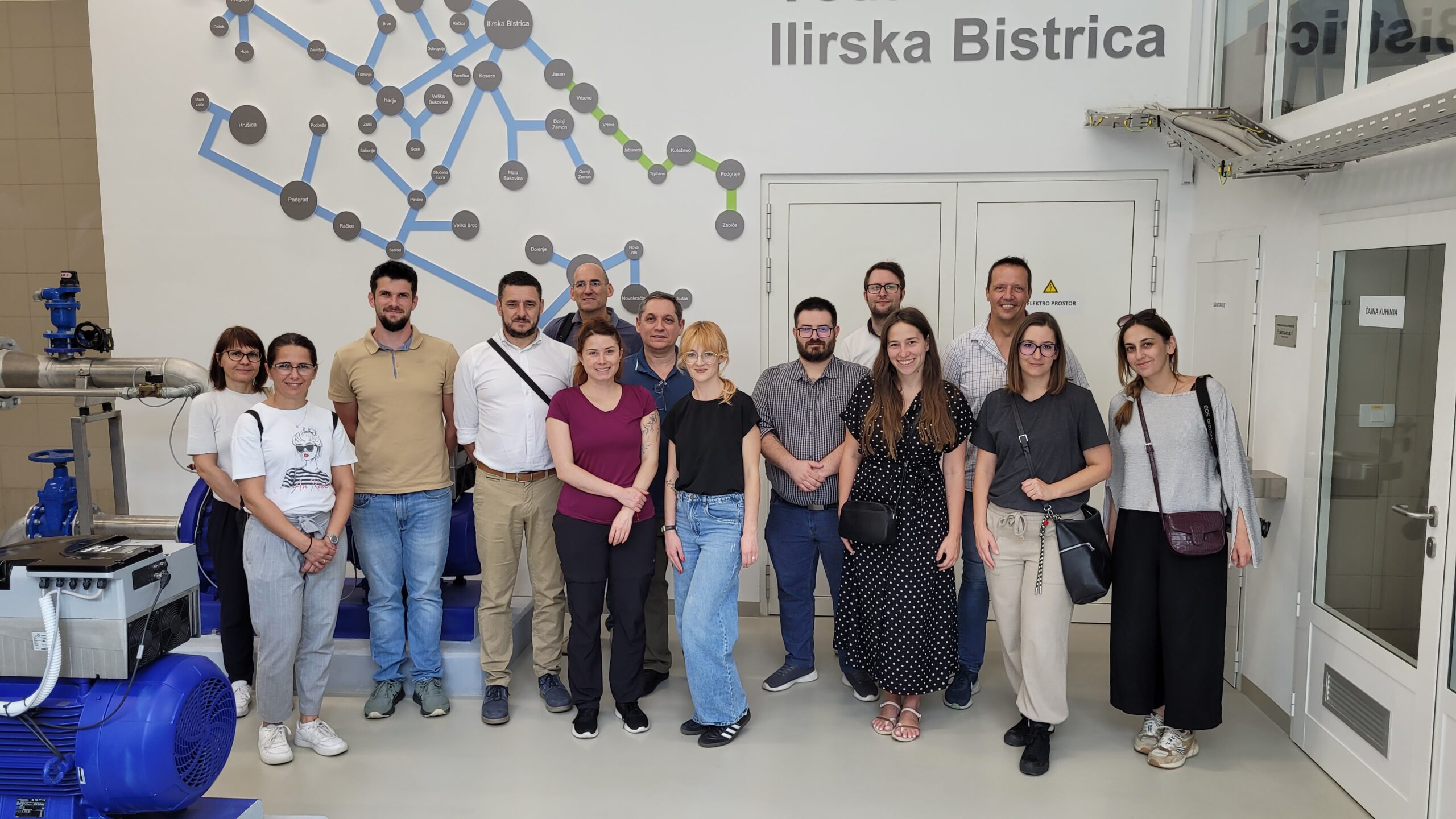

From 20 to 23 July, WATERVILL partners carried out the project’s first field visits to gain a better understanding of drinking water supply systems in rural and mountainous areas, and the challenges faced by pilot municipalities.
The visits were organised as part of project work package 1 – Water System Solutions Study, and more specifically the ongoing State of the Art analysis of the current condition of water supply systems, led by project partner University of Zagreb, Faculty of Mechanical Engineering and Naval Architecture (UNIZAG FSB), in close collaboration with all project partners.
Building on the analysis already carried out by the partnership through questionnaires and available data, the field visits brought together several project partners with technical expertise, in Zagreb, Croatia, before continuing to two of WATERVILL’s four pilot municipalities: Ilirska Bistrica in Slovenia, and Teslić in Bosnia and Herzegovina, Republika Srpska.
The main objective was to better understand local realities, observe water supply systems directly on the ground and exchange with local representatives and water utility professionals about the water situation on site and the main challenges faced.
These insights will also help partners design solutions best adapted to the specific needs of each pilot area.
Starting with a joint technical meeting in Zagreb
The starting point for the field visits was Zagreb, where partners were hosted by UNIZAG FSB for a technical meeting dedicated to the ongoing assessment of local water supply systems in the four pilot municipalities.
Partners discussed the main characteristics of these water infrastructure and the challenges faced, from both national and pilot municipality perspectives, building on the information collected during the first phase of the analysis through a detailed questionnaire.
The meeting also served as preparation for the visits to Ilirska Bistrica and Teslić, helping to clarify the main aspects to observe and discuss directly with local stakeholders.
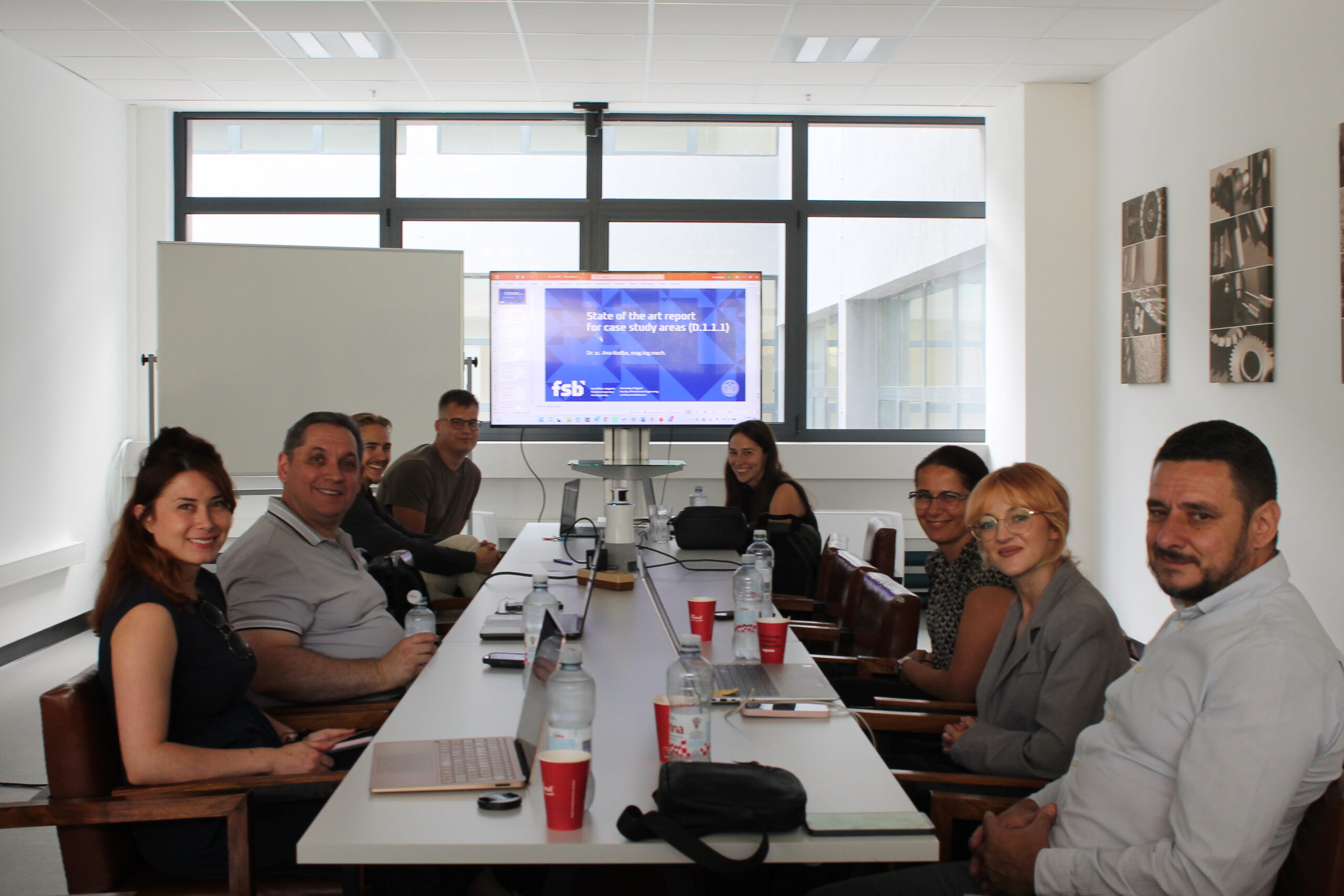
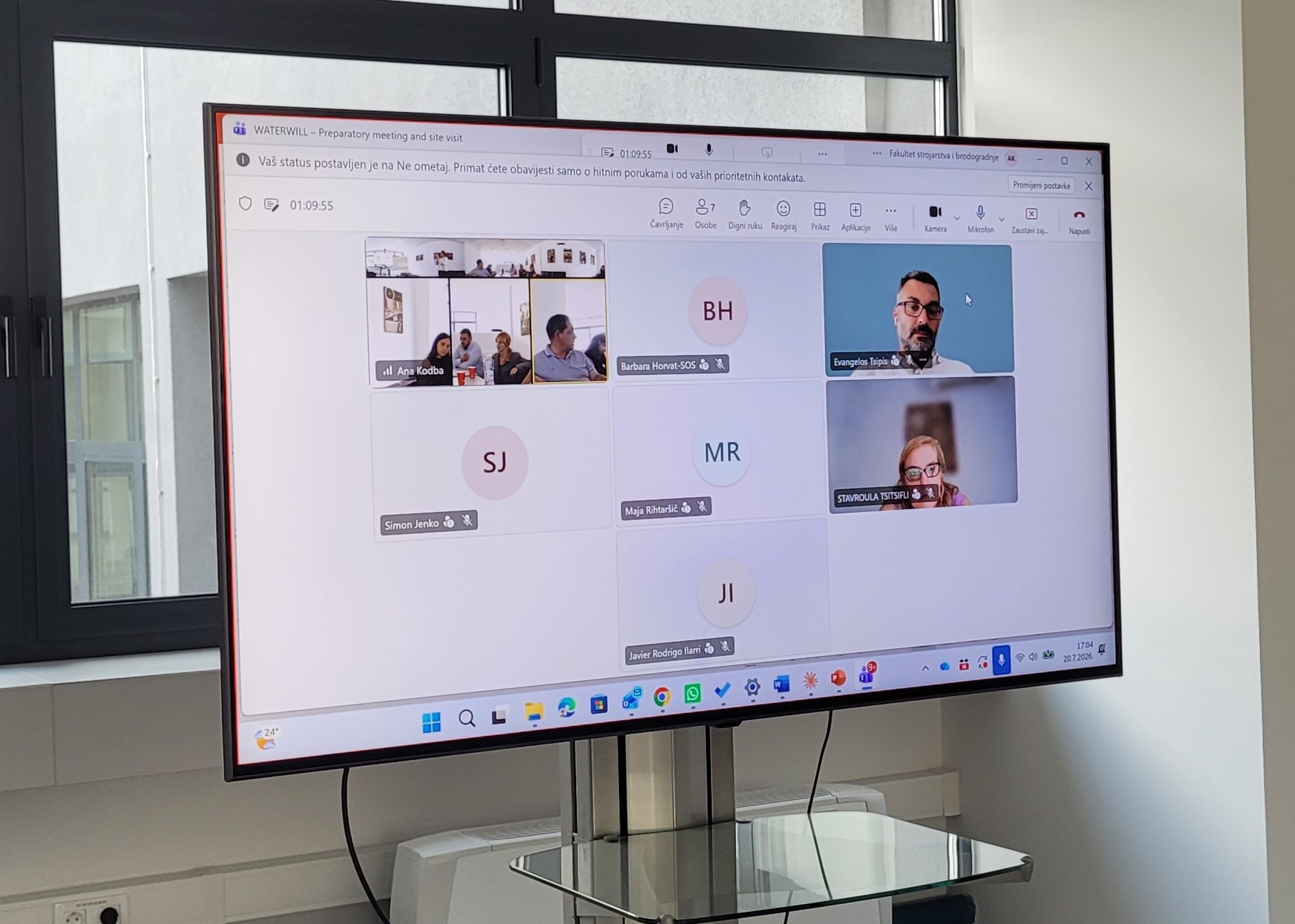
The meeting therefore included presentations by project partner Polytechnic University of Valencia, Institute of Water and Environmental Engineering (UPV), based on the data obtained through the questionnaires and the key aspects identified in both pilot areas, such as the main water sources used in each municipality, including groundwater and surface. Within the project, UPV is reponsible for designing the catalogue of solutions, a work building directly on the observations gathered during field visits.
Overall, discussions among the university partners, namely the University of Zagreb, the Polytechnic University of Valencia, and the University of Western Macedonia (which participated online), laid the foundation for the subsequent technical activities.
Ilirska Bistrica: addressing water losses and extending access
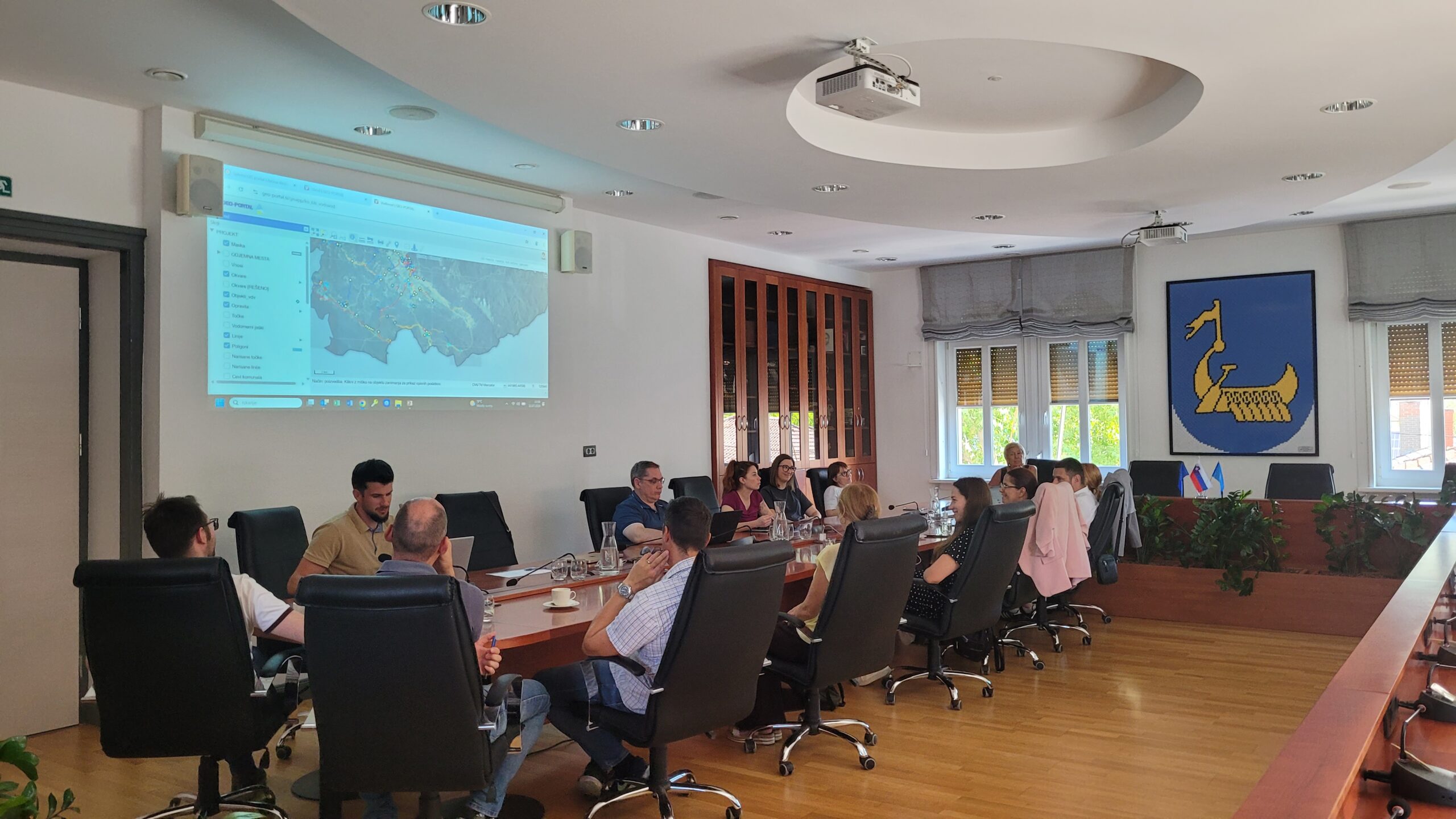
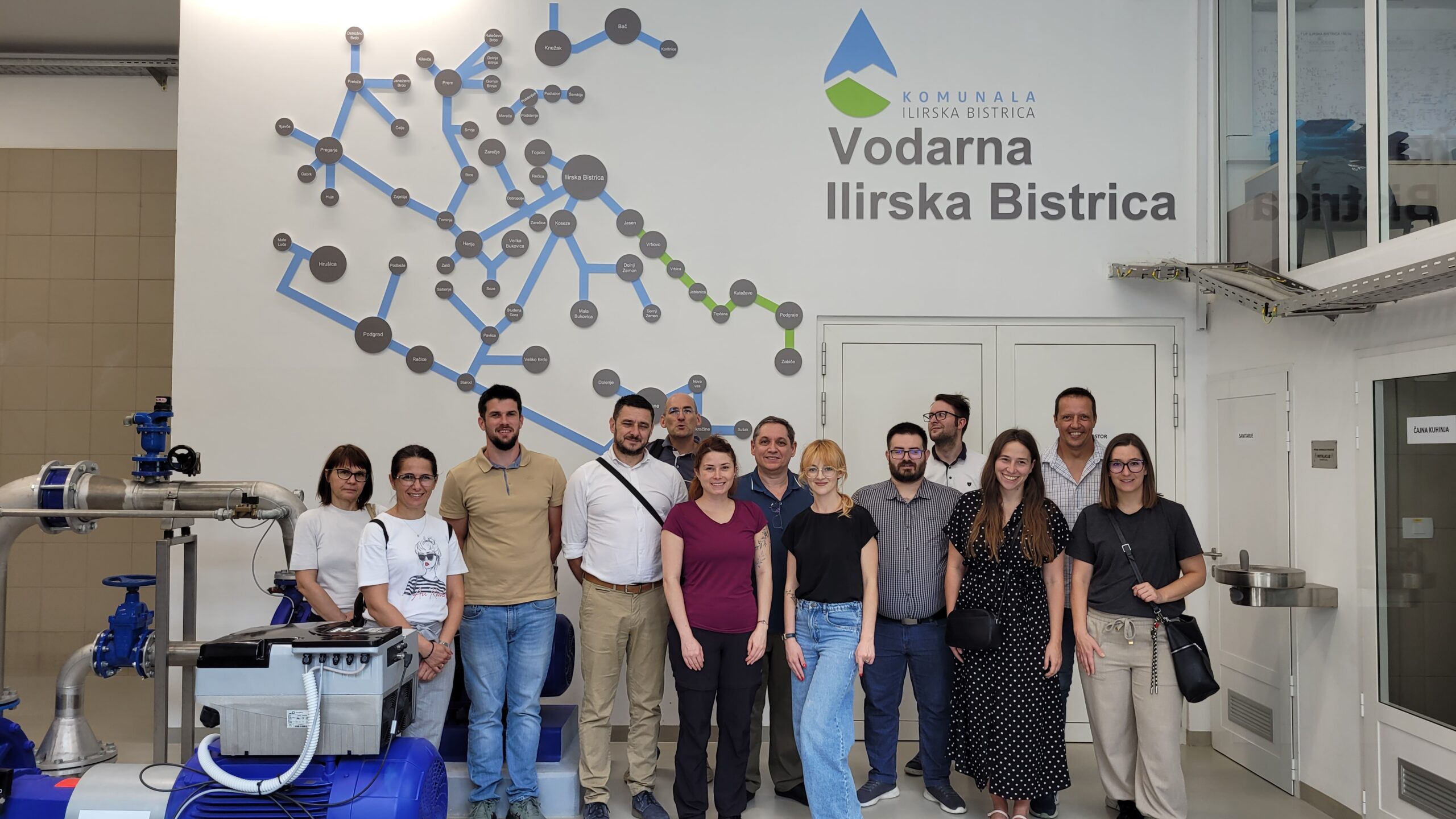
The first visit on 21 July took partners to the Municipality of Ilirska Bistrica, in Slovenia. At the City Hall, the local public utility company, JP Komunala, presented the water supply situation in the municipality and some of the main challenges faced locally.
One of them is water loss caused by leaks, partly linked to the age of sections of the water distribution network and historical construction practices, as parts of the network were built without professional oversight. This results in significant environmental and economic challenges, as water losses also contribute to higher water costs.
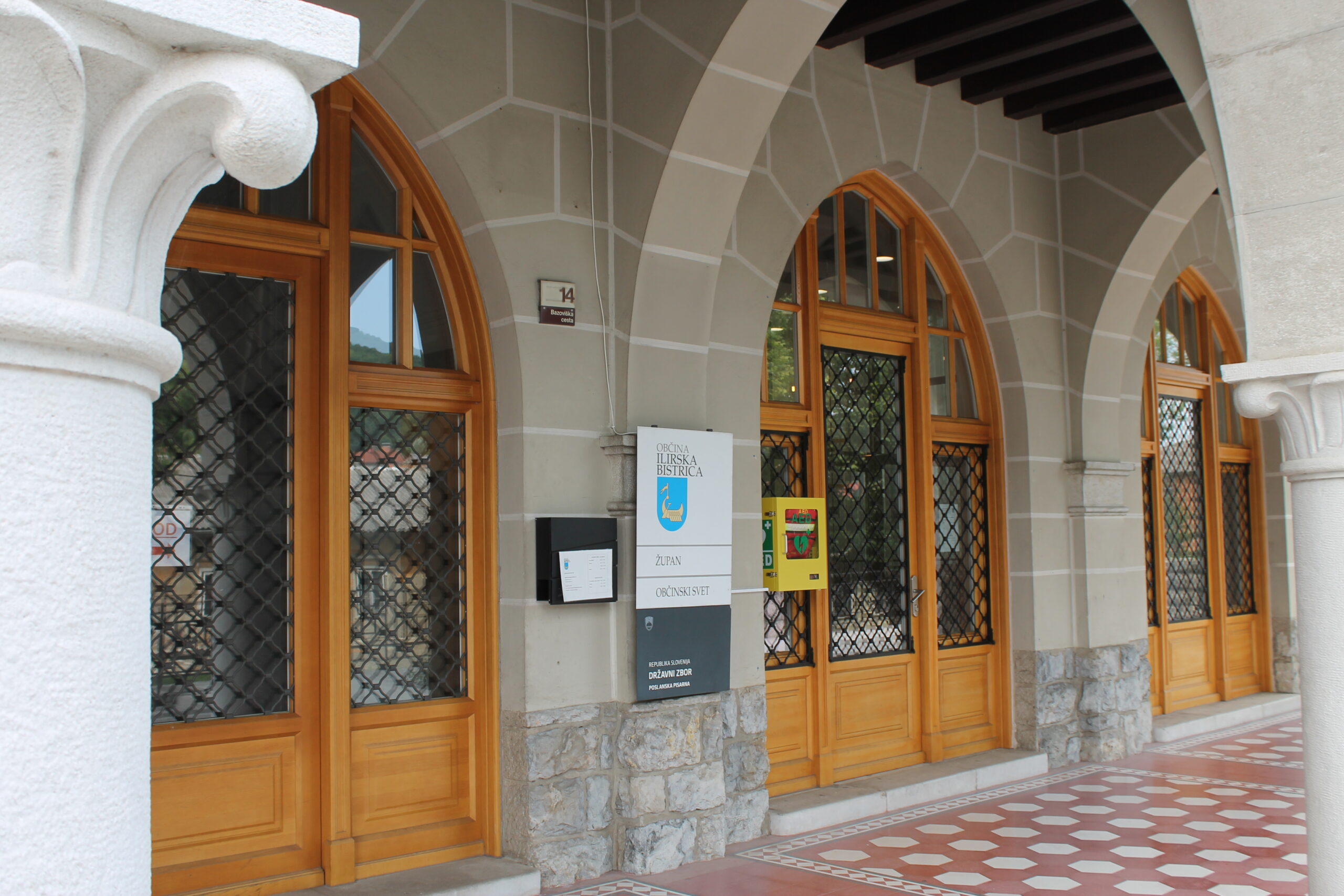
At the same time, the Municipality manages an extensive network of water supply systems serving approximately 13,500 inhabitants and is working towards a more efficient and inclusive system, including extending access to all households.
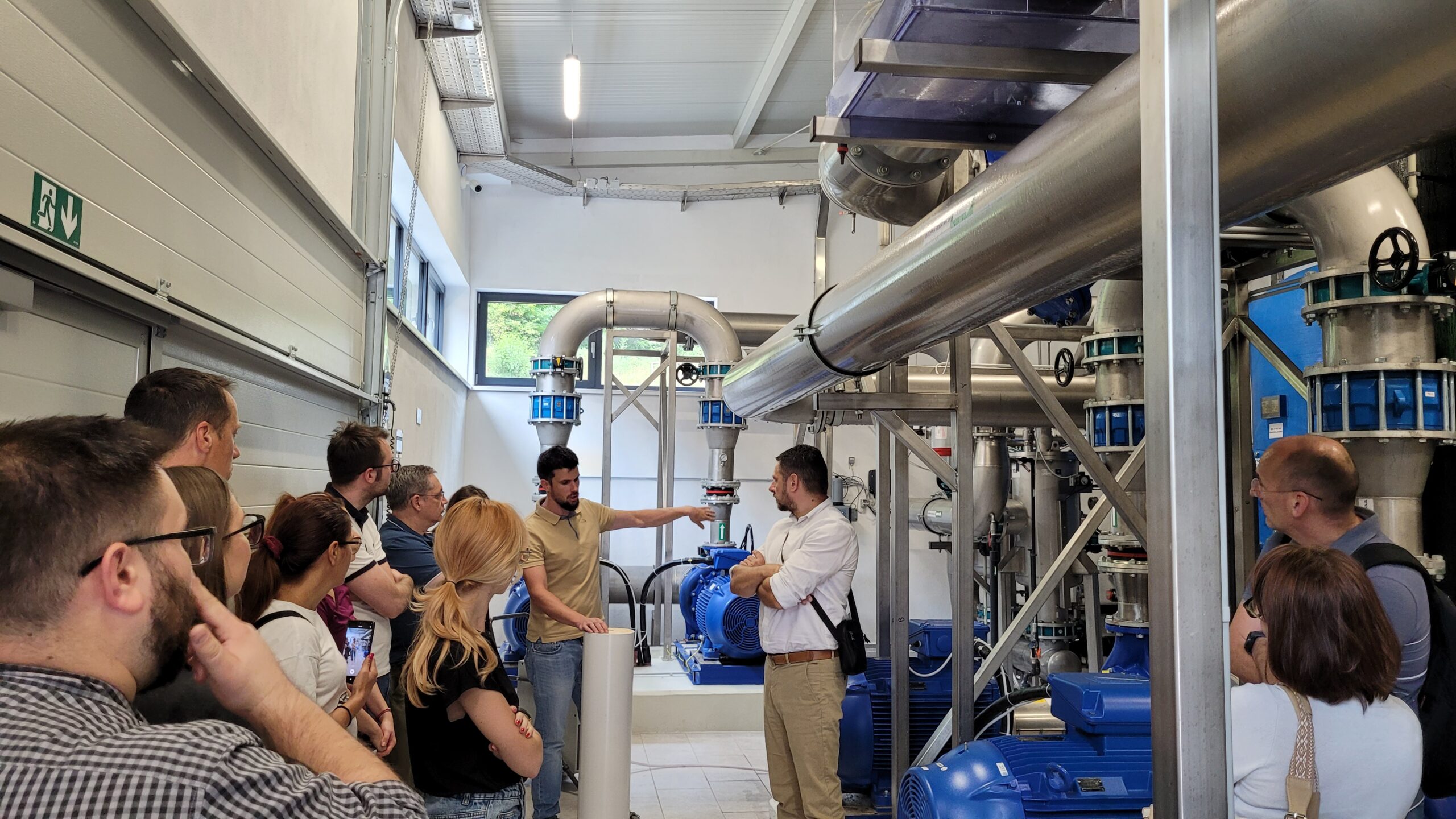
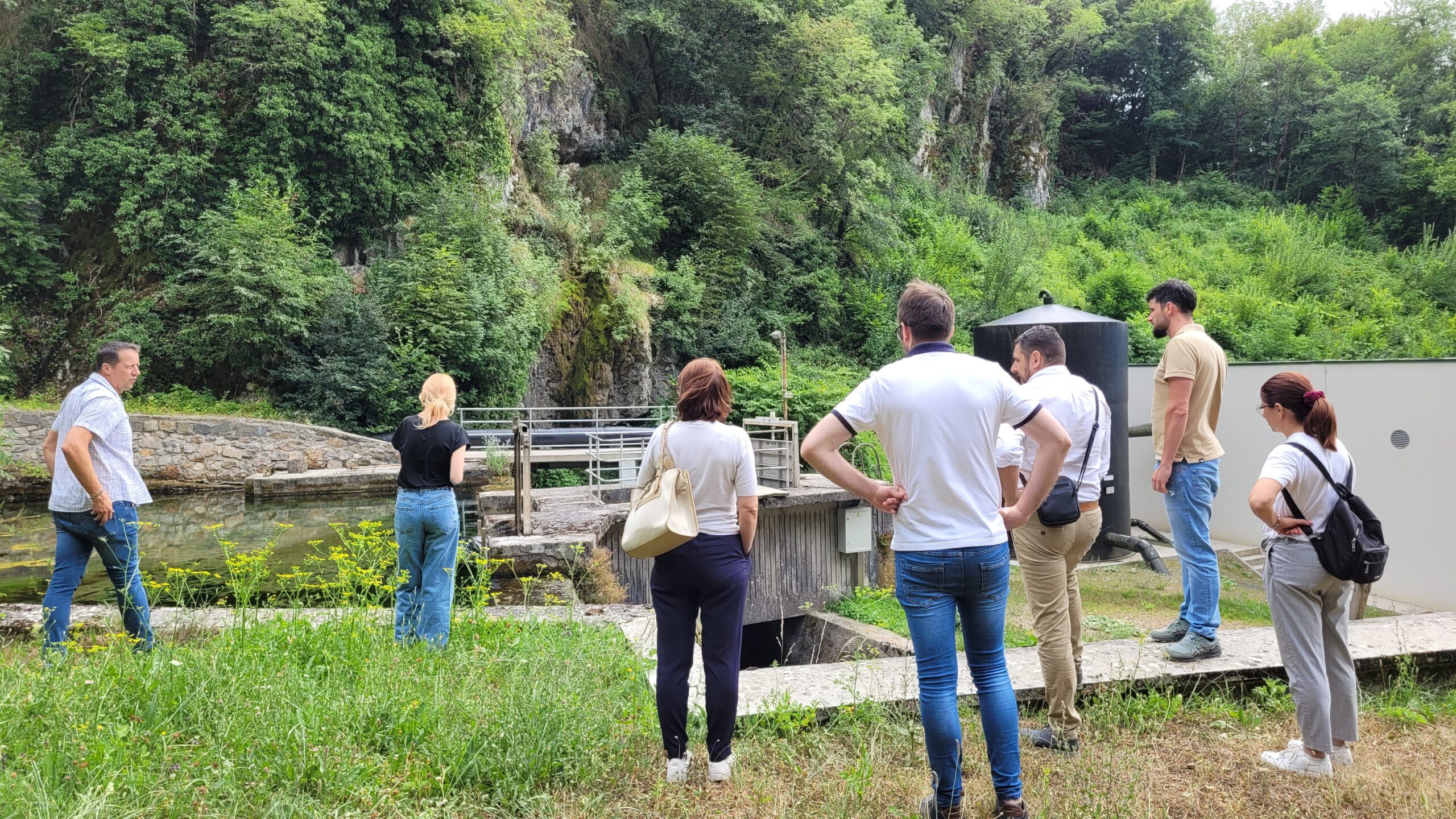
As part of the field visits made in the area, partners visited several sites, including the local water treatment plant for drinking water, operated by JP Komunala. Renovated two years ago, the plant provides clean drinking water to local residents through a treatment process that includes ultrafiltration and gas disinfection.
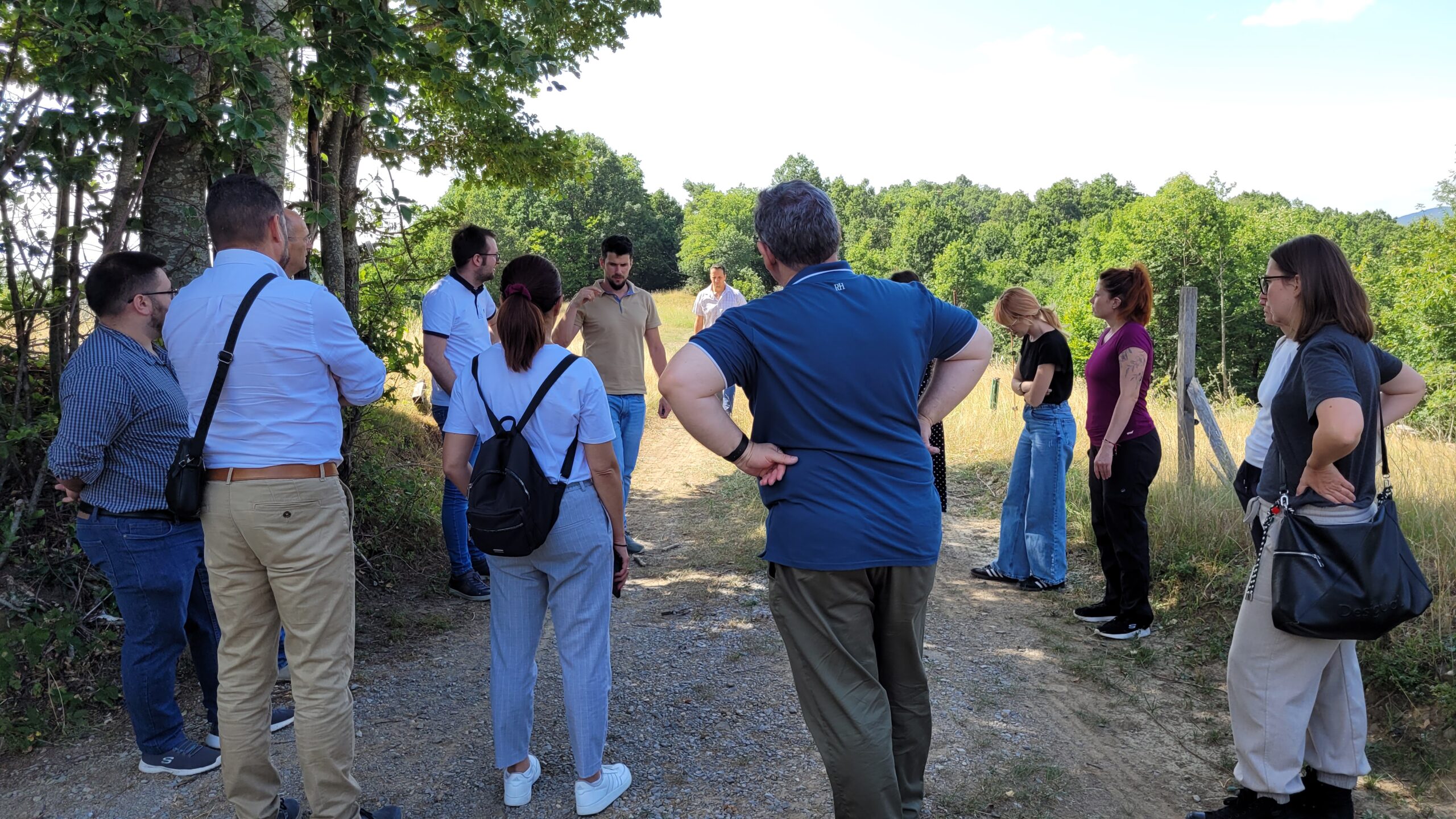
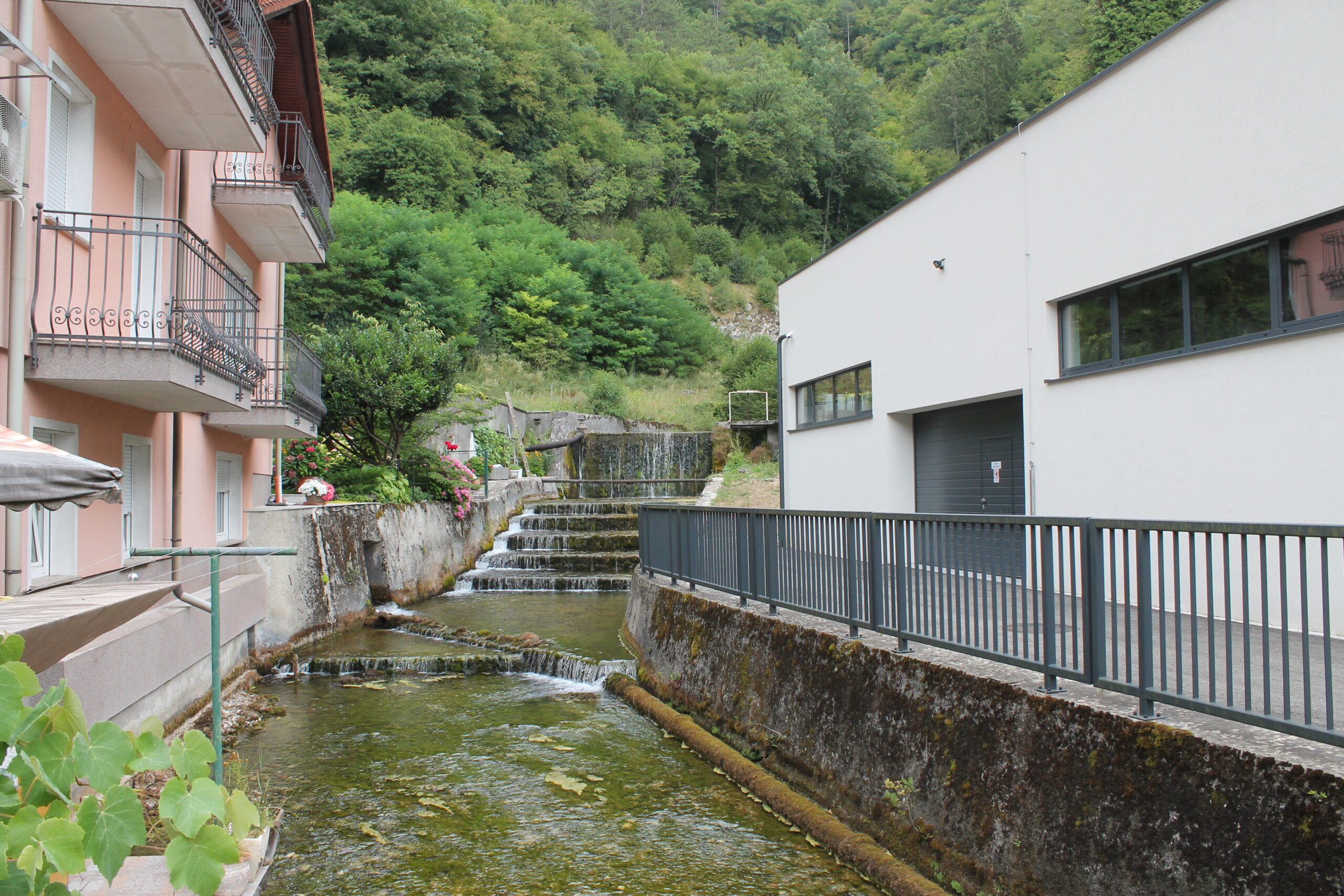
The visits also included the remote village of Fabci, the last settlement in the Municipality not yet connected to the public water supply network. The current reservoir-based solution does not fully meet drinking water standards, posing risks to residents and not guaranteeing a constant water supply. Through WATERVILL, the aim is to identify an efficient solution for supplying water to this area while also addressing water losses.
These visits provided partners with valuable insights into the local context and the challenges that WATERVILL will seek to address.
Teslić: improving water supply and water quality
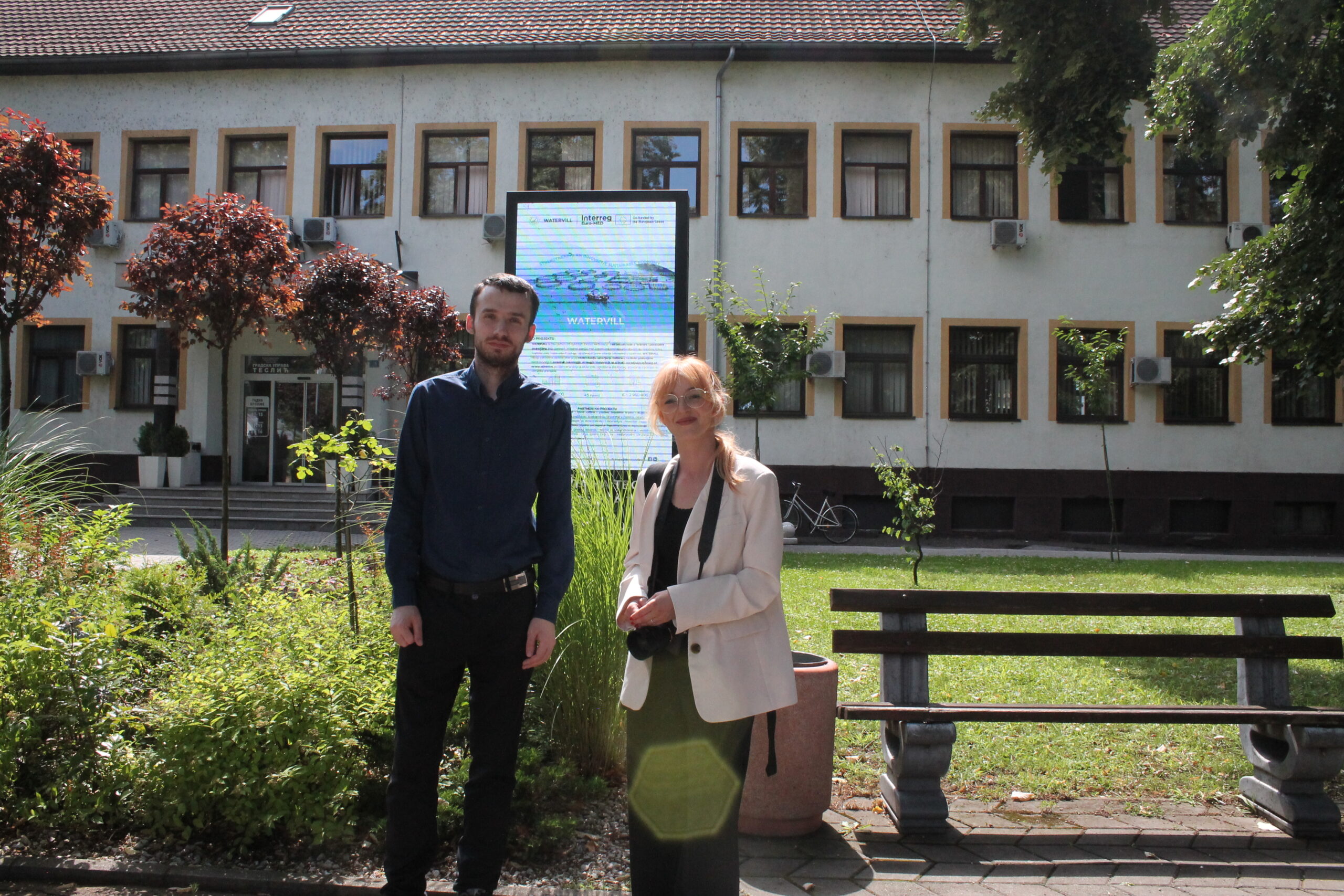
For the second pilot visit, partners travelled to the Municipality of Teslić in Bosnia and Herzegovina, Republika Srpska.
Teslić experiences water shortages, particularly during peak summer periods, while the municipality’s key challenges relate to improving water supply and modernising ageing local water systems to ensure better water quality. Challenges are particularly significant in rural parts of the municipality: Teslić operates 12 village waterworks, supplying more than 10,000 residents.
The WATERVILL consortium was welcomed at the municipal premises, where project partners from the Municipality presented
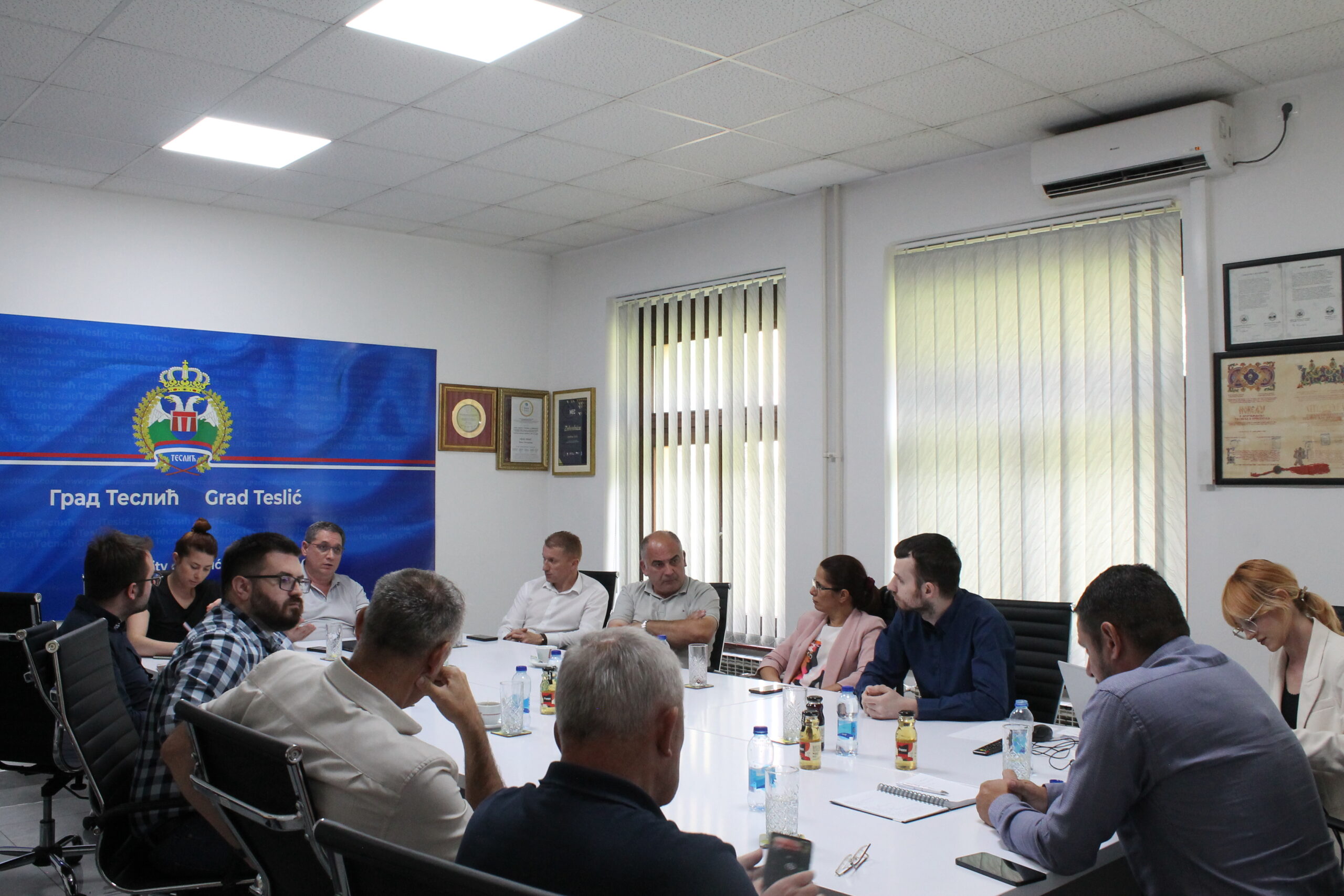
the methodology and the specific areas covered by the assessment through the questionnaire. Partners then discussed the municipality’s main water-related issues.
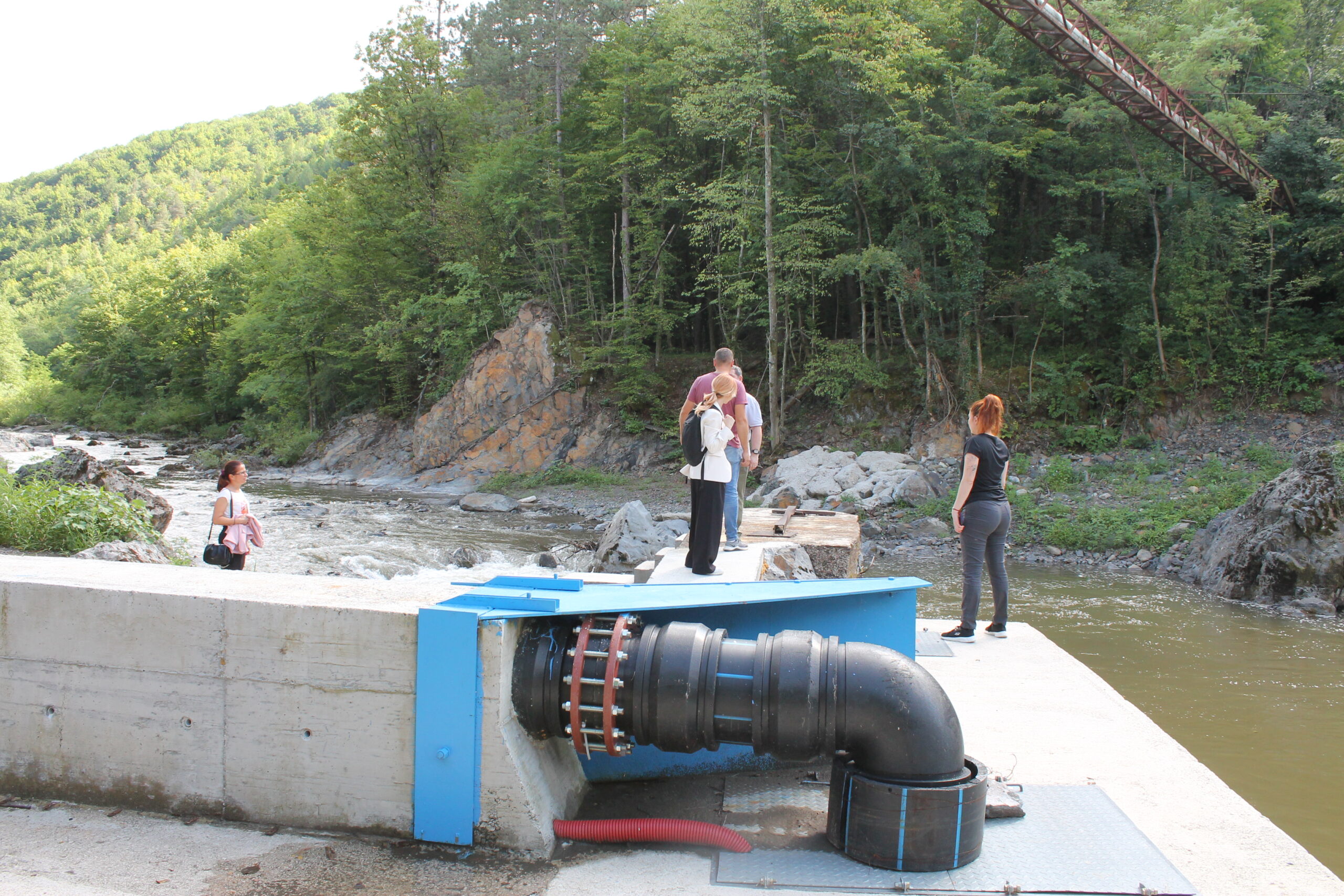
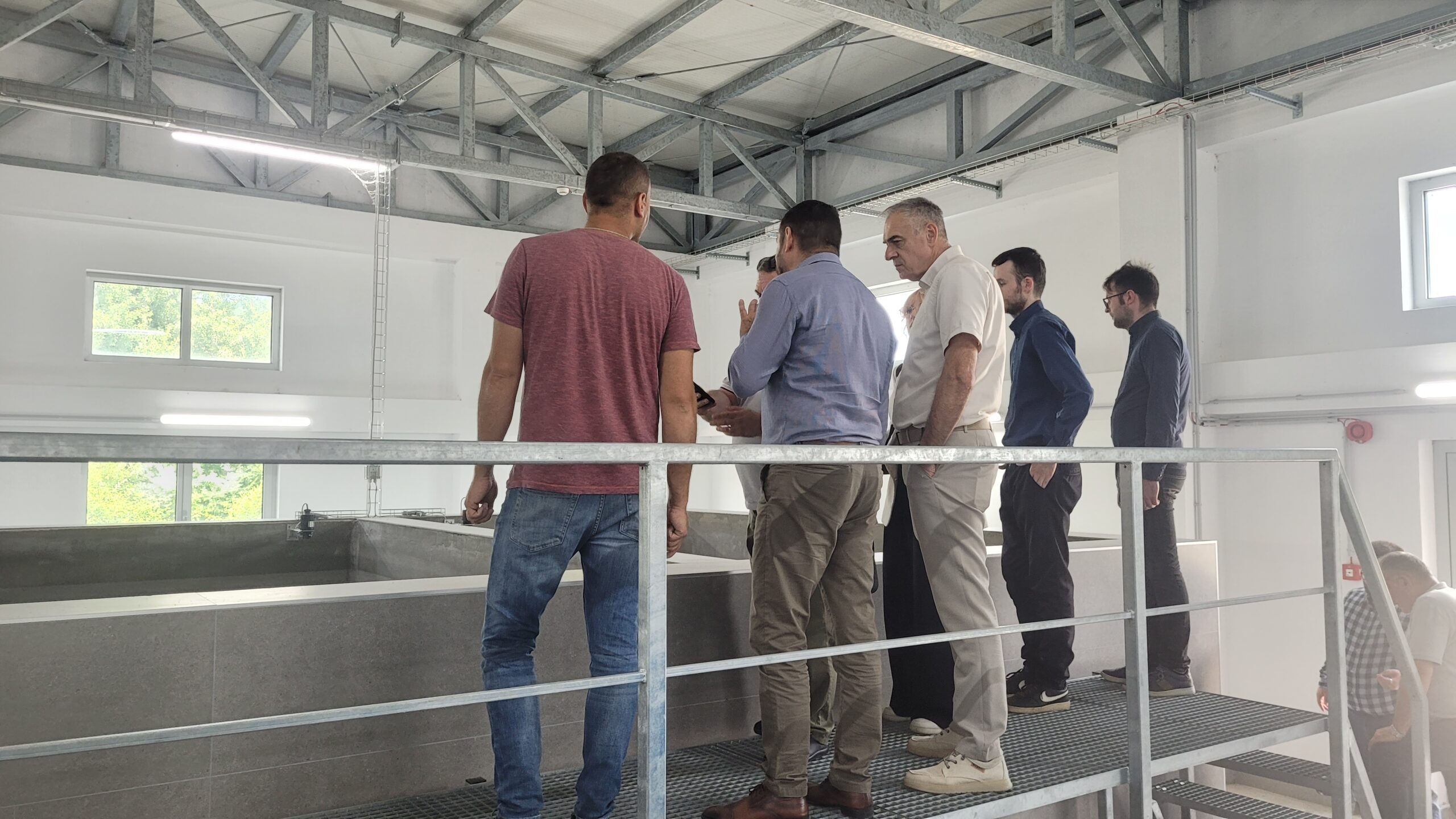
The rest of the day was dedicated to visiting several sites, including the local water treatment plant, in the presence of representatives of RAD Teslic, the local public utility company. Teslic’s water production is based on the abstraction of surface water from the Velika Usora River. The raw water is treated and disinfected at the plant before being distributed to consumers through a network of primary and secondary pipelines.
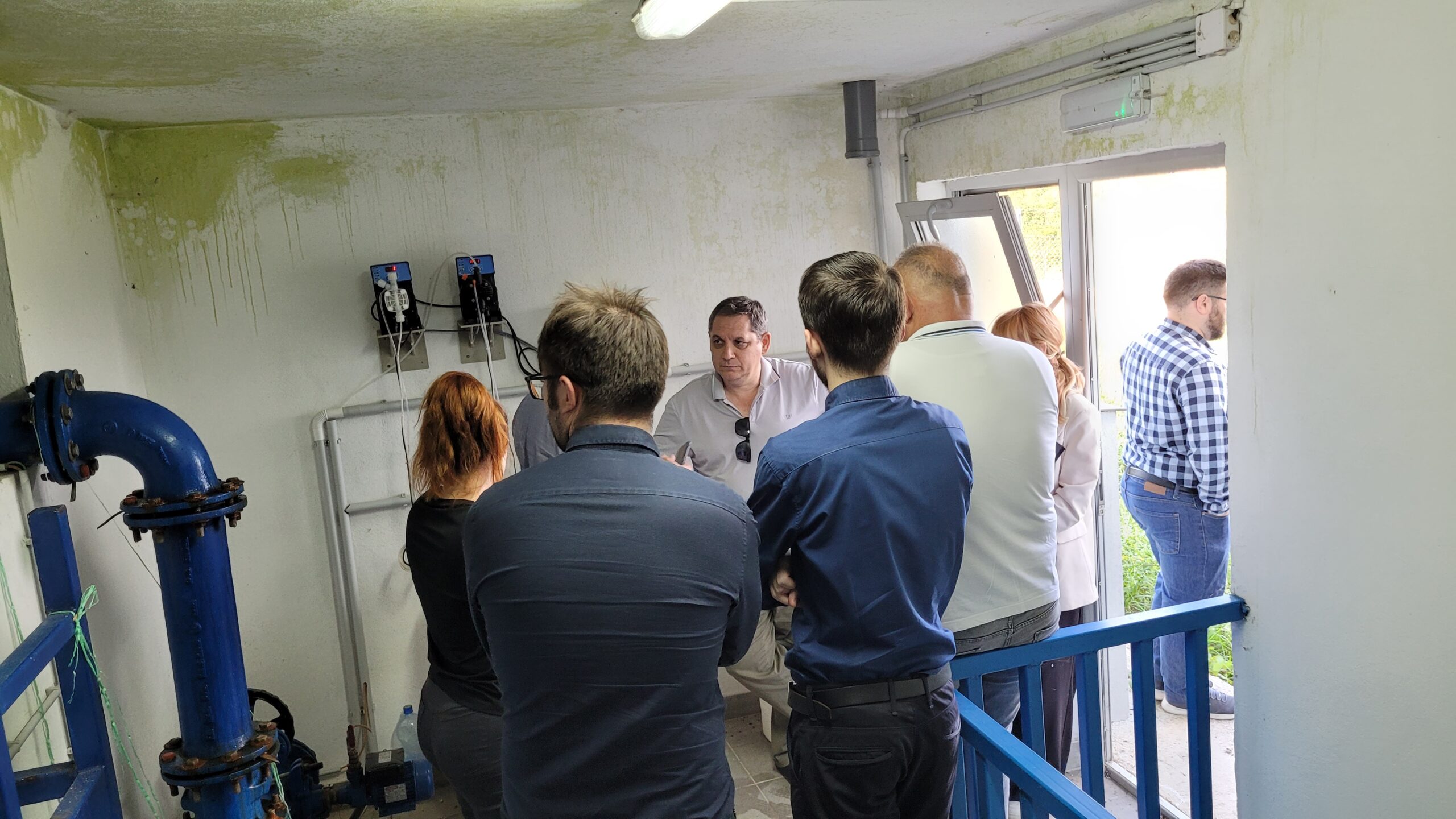
This was followed by visits to the water distribution networks of the villages of Pribinić and Gornji Buletić.
One of the recurring issues in the rural areas of Teslić is drinking water quality, partly due to the age of water pipes and/or tanks. In this case, for instance, the development and introduction of digital solutions to better monitor water quality and consumption could be an appropriate solution.
These direct observations provided partners with a clearer picture of the conditions in which water systems operate and complemented the information previously gathered through questionnaires.
From field observations to tailored solutions
The visits to Ilirska Bistrica and Teslić represent an important step in WATERVILL’s initial assessment of rural and mountainous water supply systems.
By combining existing data and questionnaires with direct observations and exchanges with local stakeholders, partners can better understand the specific characteristics, needs and challenges of the two pilot areas.
While both municipalities experience recurring water scarcity, the field visits also confirmed that water quality is another important issue to address.
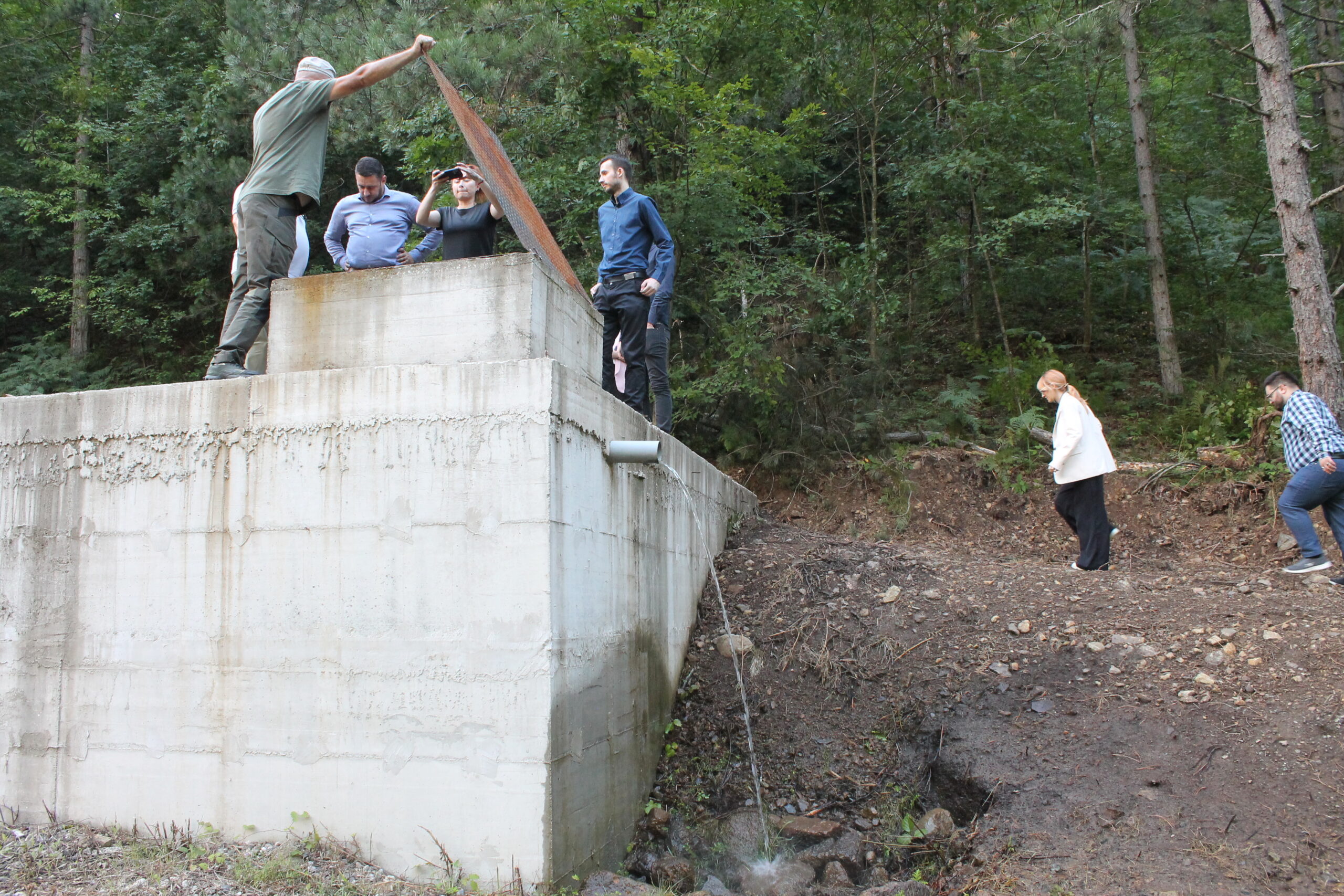
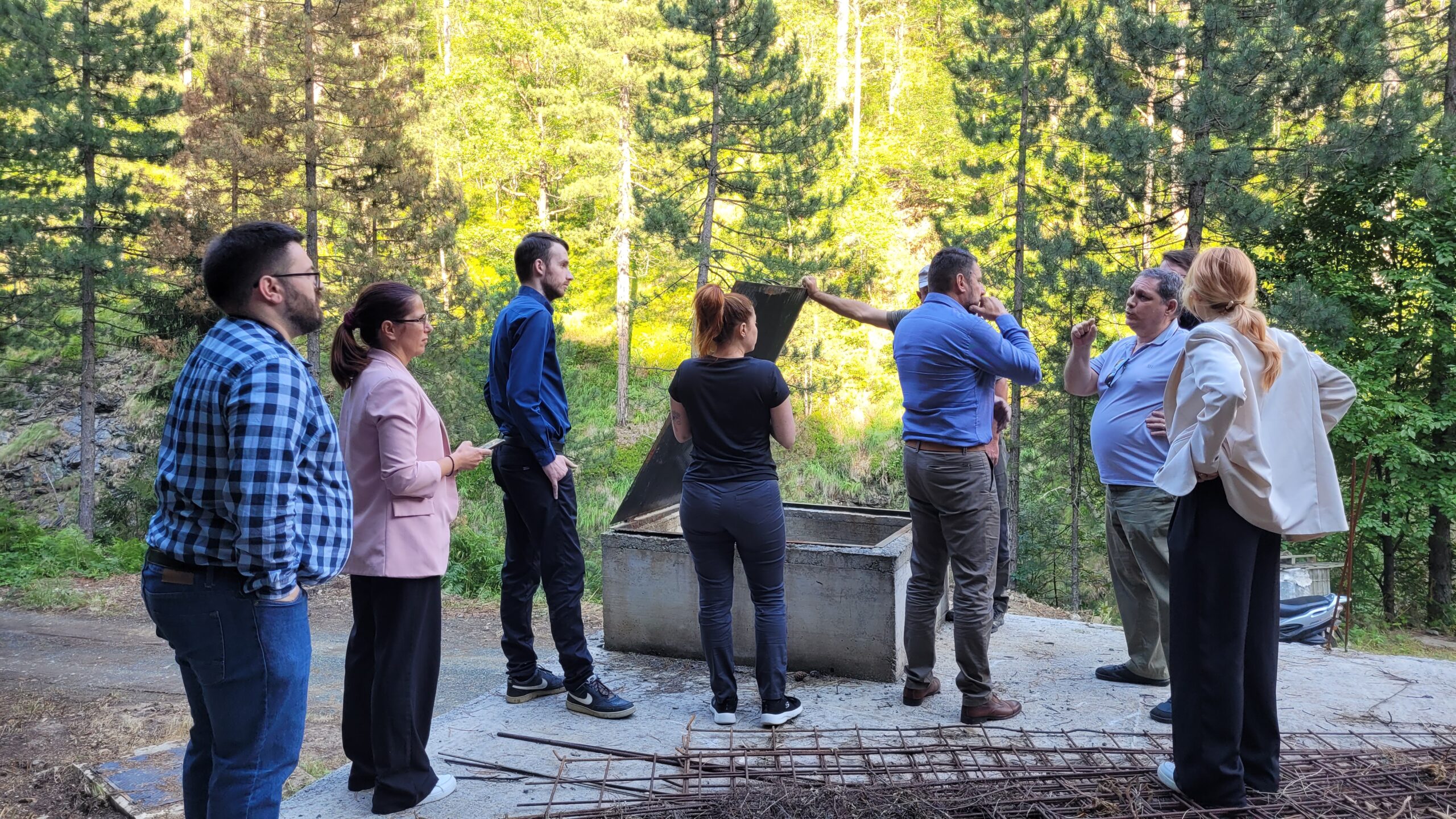
Moreover, ageing water infrastructure, which is often fragmented and was sometimes built without formal technical planning, heavily impacts water quality and the efficient distribution of water to all inhabitants, while also resulting in increasing environmental and financial costs.
The fieldwork will continue in the coming months with visits to WATERVILL’s two remaining pilot municipalities: Zabljak in Montenegro and Bitola in North Macedonia. The findings from the pilot field visits will feed into the next phase of the project, including the development of a catalogue of solutions adapted to different local contexts.
This will help ensure that the solutions explored through WATERVILL respond to actual needs on the ground rather than applying a one-size-fits-all approach.
For more:
– JP Komunala, Public utility company, Ilirska Bistrica: click here
– RAD Teslic, Public utility company, Teslic: click here
– Municipality of Ilirska Bistrica and Municipality of Teslic